 xplorely
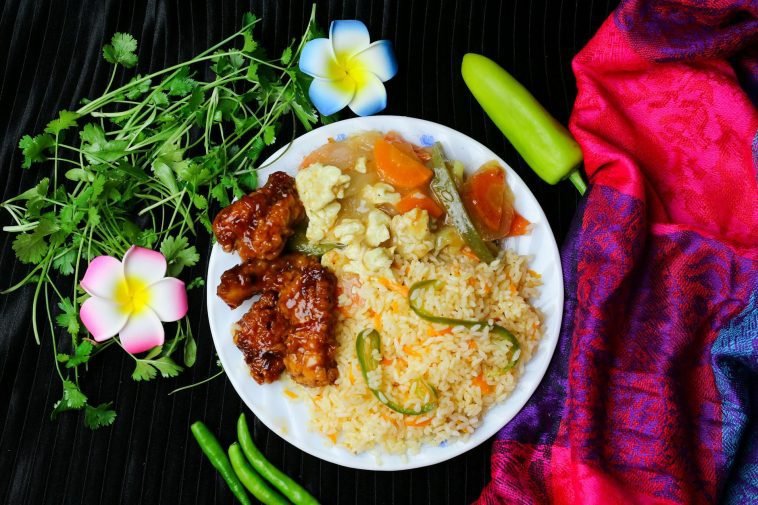
Seriously, every April, I feel like the food world just *explodes* with new ideas, and this April 2026 is no different. We’ve seen some wild stuff in 2025, right? Like, remember when everyone was obsessed with ‘Girl Dinners’ and making charcuterie boards for themselves? Honestly, I was a little skeptical at first, but then I tried it with some good olives from Trader Joe’s and a fancy cheese, and yeah, I got it. But now, we’re already looking ahead, trying to figure out what’s next. What are the big 2026 food trends that are gonna dominate our kitchens and grocery aisles? I’ve been poking around, reading some reports (and let’s be real, mostly just eating a lot), and I’ve got some early thoughts on what’s coming. Trust me, some of these are gonna surprise you, and some are just logical next steps.
📋 In This Article
- Looking Back: The 2025 Food Obsessions That Actually Stuck
- Early 2026 Flavor Predictions: Get Ready for ‘Swicy’ and Umami Overload
- The ‘Re-Wilding’ of Our Pantries: Foraging & Indigenous Ingredients
- Beyond Plant-Based: The Era of ‘Blended’ Proteins and Fungi Power
- Breakfast Gets a Global Makeover (Say Goodbye to Boring Cereal)
- Sustainability & Upcycling: Making Every Scrappy Bit Count
- ⭐ Pro Tips
- ❓ FAQ
Looking Back: The 2025 Food Obsessions That Actually Stuck
So, 2025 was a trip, wasn’t it? Beyond the ‘Girl Dinner’ phenomenon I just mentioned, we really doubled down on global flavors, but with a super specific twist. It wasn’t just ‘Thai food’ anymore; it was like, *Isaan* Thai or specific regional Mexican dishes from Oaxaca. I saw so many new spice blends popping up at places like Whole Foods and even my local Walmart started carrying more niche ingredients, which was pretty cool. And the mocktail scene? Seriously, it went from sad sparkling water to genuinely delicious, complex drinks. I even started experimenting with shrubs and infused syrups at home – my spiced pear shrub was a hit at Christmas! People wanted sophisticated non-alcoholic options, and brands like Seedlip really delivered, though they’re still a bit pricey, usually around $35-40 a bottle.
The Rise of Regional Specifics (Beyond the Basics)
You know how everyone used to just say ‘Indian food’? Well, in 2025, we got way more specific. Think like, Goan vindaloo versus a Punjabi butter chicken. Or the explosion of Ethiopian injera bread beyond just specialty restaurants. My local Costco even started carrying a frozen injera pack, which, okay, wasn’t amazing, but it was a sign! People are genuinely curious about the nuances now, and that’s exciting for home cooks like us.
Mocktails That Don’t Suck
Real talk: I’m not a big drinker, so I’ve always been frustrated by the lack of good non-alcoholic options. But 2025 changed that. We saw a huge jump in artisanal syrups, bitters, and zero-proof spirits. I mean, I spent about $28 on a fancy non-alcoholic aperitif last summer, and it was *worth it*. You can skip the alcohol, but you don’t have to skip the flavor, and that’s a trend I hope never dies.
Early 2026 Flavor Predictions: Get Ready for ‘Swicy’ and Umami Overload
Alright, enough reminiscing. Let’s talk about what’s actually hitting our plates this year. My biggest prediction for 2026 food trends? Get ready for ‘swicy’ to go absolutely wild, but not just hot honey anymore. We’re talking complex sweet and spicy combinations – think mango habanero, chili-lime caramel, or even spicy chocolate. I’ve already seen a few indie chocolate makers doing chili-infused bars, and they’re surprisingly good. And umami? Oh boy, we’re diving deep into umami. Miso, nutritional yeast, dried mushrooms, seaweed – these aren’t just for vegans anymore. Everyone’s trying to get that savory depth into their cooking, and honestly, I’m here for it. I’ve been adding a teaspoon of white miso paste to my tomato sauce, and it’s a game-changer. Seriously, try it.
Swicy 2.0: Beyond Hot Honey
You probably saw hot honey everywhere in 2025, right? Well, 2026 is taking that concept and running with it. I’m seeing more fruit-chili combos, like a spicy pineapple salsa or even a sweet potato dish with a kick. It’s about balancing that heat with something sweet, tangy, or even a little fruity. Don’t be afraid to experiment with things like gochujang in unexpected places.
Umami Bombs: Your New Secret Ingredient
This isn’t just about MSG, okay? It’s about finding natural ways to boost that savory, satisfying flavor. I keep a jar of dried shiitake mushrooms in my pantry (from my local Asian grocery, usually around $8 for a big bag) and toss them into broths or rehydrate them for stir-fries. Nutritional yeast is another one – it gives a cheesy, savory note to everything. You’ll be surprised how much depth these add.
The ‘Re-Wilding’ of Our Pantries: Foraging & Indigenous Ingredients
This one’s a bit more niche but trust me, it’s gaining traction. We’re seeing a push towards ‘re-wilding’ our diets, which basically means getting back to ingredients that are either foraged or indigenous to specific regions. Think about it: ramps in spring, wild elderberries, even dandelions. It’s about connecting with nature and sustainability. Now, I’m not saying you should just go eat random berries from your backyard, please don’t do that. But there’s a growing interest in learning about what grows locally and how to use it. I took a foraging class last fall, and it was genuinely eye-opening, though I only felt confident picking a few things! This trend is also about respecting indigenous culinary traditions and ingredients that have been overlooked for centuries. It’s a fantastic way to discover new flavors and support local communities.
Foraging for the Home Cook (Safely, Please!)
Look, I’m not telling you to become a full-time forager, but knowing what edible plants grow around you is pretty cool. Think about wild garlic or nettles in the spring. Just PLEASE, always go with an expert or use a reliable guide. There are plenty of apps now that can help identify plants, but double-check everything. The last thing you want is a stomachache from a bad mushroom.
Giving a Nod to Indigenous Foodways
This trend is really important. It’s about recognizing the incredible knowledge of indigenous cultures and their ingredients. We’re talking things like wild rice, specific types of corn, or native berries that have been staples for generations. Seek out cookbooks or restaurants that highlight these traditions; it’s a way to learn and support, and the flavors are often mind-blowing.
Beyond Plant-Based: The Era of ‘Blended’ Proteins and Fungi Power
Remember when ‘plant-based’ meant a sad veggie burger? Yeah, we’re way past that. In 2026, it’s less about strict veganism for everyone and more about ‘blended’ proteins. Think burgers that mix beef with mushrooms or lentils to reduce meat consumption without going full plant. I’ve been doing this for years with my meatballs – half ground beef, half finely chopped mushrooms, and nobody even notices! It makes them juicier and healthier, honestly. And speaking of mushrooms, fungi are having a *moment*. Not just button mushrooms, but lion’s mane, oyster, maitake, shiitake… people are realizing their incredible versatility and nutritional benefits. They’re showing up in everything from ‘meat’ substitutes to coffee blends (yes, really, mushroom coffee is a thing, and it’s… interesting).
The Blended Burger Revolution
Seriously, try mixing 50/50 ground meat with finely chopped mushrooms or black beans next time you make burgers or tacos. It stretches your meat further, adds nutrients, and often makes the dish even more flavorful. I usually get my mushrooms from Costco; a big pack of creminis is like $6 and lasts ages.
Fungi: Your New Favorite ‘Meat’ (and More)
Lion’s Mane mushrooms are popping up everywhere as a seafood or chicken substitute – it’s got a really meaty texture when cooked right. And then there are adaptogenic mushrooms like reishi and chaga showing up in drinks and supplements. I’m not totally sold on the coffee yet, but the savory applications? Absolutely. Sautéed oyster mushrooms with garlic and butter? Perfection.
Breakfast Gets a Global Makeover (Say Goodbye to Boring Cereal)
Okay, so maybe not *everyone* is ditching cereal, but breakfast in 2026 is definitely getting more exciting. We’re moving beyond the standard eggs and toast. Think savory rice porridges from Asia, like congee, or shakshuka variations that go beyond the classic tomato base. I’m seeing recipes for breakfast tacos with unexpected fillings, and even savory oatmeals with miso and greens. It’s about making breakfast a proper, flavorful meal that sets you up for the day, not just something you grab on the go. My current obsession is a savory oatmeal with sautéed spinach, a fried egg, and a drizzle of chili oil. It takes about 10 minutes and costs maybe $1.50 a serving if you buy your oats in bulk at Walmart.
Congee and Savory Porridges
If you’ve never had congee, you’re missing out. It’s basically a savory rice porridge, super comforting, and you can top it with anything – shredded chicken, pickled vegetables, a soft-boiled egg, crispy fried shallots. It’s easy to make a big batch and reheat. I usually make mine with leftover rice and chicken broth; total cost is negligible.
Shakshuka’s Spicy Sisters
Shakshuka (eggs poached in spicy tomato sauce) has been big for a while, but now people are getting creative. Think green shakshuka with spinach and herbs, or a white bean and sausage version. It’s a fantastic one-pan meal, and you can easily customize the spice level. Serve it with some crusty bread for dipping, and you’ve got a killer brunch.
Sustainability & Upcycling: Making Every Scrappy Bit Count
This isn’t really a ‘flavor’ trend, but it’s a huge underlying theme for 2026 food trends, and it impacts how we cook and what we buy. Sustainability isn’t just a buzzword anymore; it’s about practical ways to reduce food waste and make smarter choices. ‘Upcycled’ foods are a big part of this – using parts of ingredients we used to toss, like vegetable scraps for broth, fruit peels for infusions, or even turning stale bread into crunchy croutons. I’m terrible about wasting cilantro stems, but now I blend them into sauces! It’s about getting creative and thinking differently about what’s ‘waste.’ My compost bin is a lot happier these days, and my grocery bill has actually gone down a bit, too. Plus, there’s a growing awareness around ‘ugly’ produce – those perfectly good but oddly shaped fruits and veggies that often get discarded. Many grocery stores, like some Safeway locations, now offer ‘ugly’ produce boxes at a discount, which is awesome.
The Scrappy Broth Revolution
Honestly, this is the easiest way to reduce waste. Keep a bag in your freezer for vegetable scraps – onion skins, carrot tops, celery ends, herb stems. When it’s full, just dump it all in a pot with some water, salt, and pepper, and simmer for an hour or two. You get free, flavorful broth. It’s genius, and it probably saves me $5-7 on store-bought broth every month.
Ugly Produce is Beautiful (and Cheaper)
Don’t judge a book by its cover, or a carrot by its wonky shape! ‘Ugly’ produce is usually just as delicious and nutritious as its perfectly shaped counterparts, but it often goes to waste. If your local grocery store offers discounted ‘ugly’ produce boxes, grab one! You’ll save money (I’ve seen boxes for $10-15 that are packed with stuff) and help reduce food waste. Win-win.
⭐ Pro Tips
- Always keep a bag of Diamond Crystal kosher salt on hand; it’s the best for seasoning and costs about $7-8 for a huge box at most supermarkets.
- To save about $20-30 a month on groceries, plan your meals around store sales. Check your local Walmart or Kroger flyer on Wednesdays.
- For maximum flavor in your sauces, bloom your spices in a little oil for 30-60 seconds before adding liquids. It wakes them up!
- A common mistake: not seasoning enough throughout the cooking process. Taste, taste, taste! Add a pinch of salt at every major step.
- The one thing that made the biggest difference for me was investing in a good quality chef’s knife (like a Victorinox Fibrox, around $50) and keeping it sharp. It makes prep so much faster and safer.
Frequently Asked Questions
What is ‘swicy’ food?
Swicy food is a combination of sweet and spicy flavors. It goes beyond simple hot honey, incorporating complex pairings like chili-lime caramel, mango habanero, or spicy chocolate. It’s a big flavor prediction for 2026.
Are 2026 food trends expensive to try at home?
Not necessarily! Many 2026 food trends, like upcycled cooking or making savory porridges, can actually save you money. Some niche ingredients might be pricier, but you can often find affordable alternatives at ethnic grocery stores or bulk sections.
Is foraging for food actually worth it?
Yes, but with caution! Foraging connects you to local ingredients and can be really rewarding. However, you MUST be absolutely certain of what you’re picking. Always go with an expert or use reliable guides to avoid dangerous plants.
What’s the best way to add umami to my dishes?
The best way is to use natural umami boosters like miso paste, nutritional yeast, dried shiitake mushrooms, or even a splash of soy sauce. I always recommend white miso paste; it’s versatile and adds incredible depth to soups and sauces.
How long does it take to make congee?
Congee can take anywhere from 30 minutes to 2 hours, depending on whether you’re using leftover rice or starting from scratch. A quick version with leftover rice and broth can be ready in about 30-40 minutes of simmering.
Final Thoughts
So, there you have it – my early peek at what I think is going to be big in the 2026 food trends. Honestly, it’s exciting to see how much more adventurous and conscious we’re becoming as home cooks. From embracing complex ‘swicy’ flavors to making sure every last scrap gets used, it really feels like we’re moving towards a more thoughtful way of eating. Don’t be afraid to try some of these out! Grab some miso, find a cool new spice blend, or try making a fancy mocktail next weekend. The kitchen is for experimenting, right? And hey, if you try that savory oatmeal, let me know what you think. I’m always looking for new twists!


GIPHY App Key not set. Please check settings