 xplorely
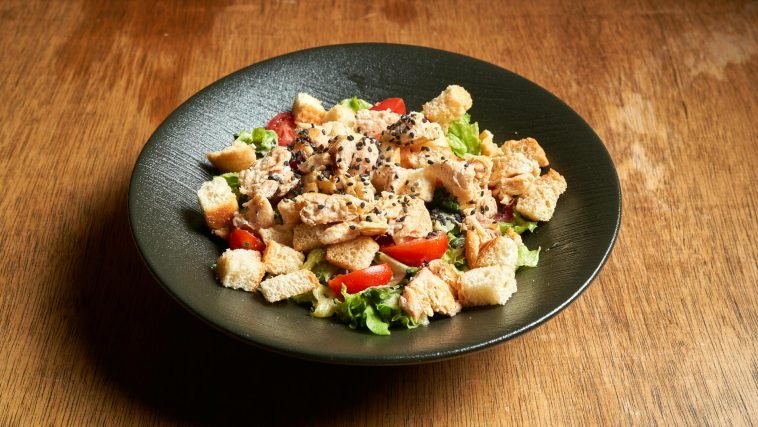
Okay, let’s be real for a second. When my friend Sarah texted me asking, “Is 23 salads with chicken for dinner tonight worth it?” my first thought was, ‘Girl, are you okay?’ Twenty-three?! For one night?! But then I thought about it, and maybe, just maybe, she was thinking big picture—like meal prep for the entire month, or she found some insane Costco deal. Whatever the reason, the idea of tackling that many chicken salads got me thinking about the logistics, cost, and sheer mental fortitude required. I’ve batch-cooked before, and it’s a marathon, not a sprint. So, let’s break down if this ambitious (and slightly bonkers) plan is actually a good idea, or if you should just back away slowly from the salad greens.
📋 In This Article
- The ’23 Salads’ Reality Check: What Are We Even Talking About?
- The Ingredient Haul & Cost Breakdown: Your Wallet Will Feel This
- The Time Commitment: This Isn’t a Quick Dinner
- Storage & Shelf Life: Keeping 23 Salads Fresh
- Flavor Fatigue: Can You Really Eat the Same Thing 23 Times?
- The Environmental Impact: Containers, Waste, and More
- The Verdict: Is 23 Salads with Chicken for Dinner Tonight Worth It?
- ⭐ Pro Tips
- ❓ FAQ
The ’23 Salads’ Reality Check: What Are We Even Talking About?
Look, I get it. Sometimes you see a recipe, or a deal, and your brain just goes, ‘YES! ALL OF IT!’ But 23 salads with chicken for dinner *tonight*? That’s a whole different beast. If you’re talking about actually eating 23 individual salads in one sitting, that’s just… no. Please don’t do that. You’ll burst, and your digestive system will revolt. So, I’m going to assume we’re talking about a massive meal prep session. Like, you want to set yourself up for lunches or dinners for the next few weeks, or maybe you’re hosting a small army. This changes the game entirely, but it doesn’t make the task any less daunting. From my experience, even prepping seven salads for the week feels like a huge win, so multiplying that by three is a serious undertaking. We’re talking about a significant investment of time, money, and fridge space, especially with new food safety regs hitting the UK this year, you gotta be smart about storage.
Is it a Meal Kit or a DIY Project?
First off, are you buying a pre-made ’23 salads with chicken’ kit (which, honestly, sounds like a dream but probably doesn’t exist outside of a very specific catering company)? Or are you planning to make all of these from scratch? Because the answer to that question dramatically changes the ‘worth it’ factor. If it’s DIY, you’re looking at hours of work. If it’s a kit, you’re looking at a huge upfront cost but minimal effort on your part. I’m going to assume for this review that you’re leaning towards making them yourself, because that’s usually where the “is it worth it” question really hits.
Who Needs That Many Salads, Anyway?
This quantity makes sense in a few scenarios: a large family meal prepping for weeks, someone hosting a massive backyard BBQ, or a small business owner looking for easy, healthy lunches. If you’re a single person, 23 salads could last you almost a month! But remember, salad greens don’t last forever, and neither does cooked chicken, so shelf life becomes a critical factor. You’ll need a solid plan for consumption or storage, or you’ll end up with a lot of wasted food, and nobody wants that.
The Ingredient Haul & Cost Breakdown: Your Wallet Will Feel This
Let’s talk money, honey. Making 23 chicken salads isn’t cheap, even if you’re smart about it. You’re going to need a *lot* of chicken. I usually budget about 4-5 ounces of cooked chicken per salad, so for 23 salads, you’re looking at roughly 92-115 ounces of raw chicken. That’s easily 6-8 pounds! If you’re buying boneless, skinless chicken breasts from, say, Walmart or Tesco, you’re probably spending £25-£40 (or $30-$50 USD/CAD/AUD) just on the protein. Then there are the greens—multiple big bags of mixed greens or several heads of romaine. And all the fixings: tomatoes, cucumbers, bell peppers, onions, cheese, maybe some nuts or seeds. Don’t forget the dressing! I always make my own simple vinaigrette with olive oil, vinegar, Dijon, and Diamond Crystal kosher salt, but even those ingredients add up in bulk. You’re easily looking at a grocery bill upwards of £60-£80 ($75-$100 USD/CAD/AUD) for quality ingredients, even if you hit up Aldi or Lidl for deals. And that’s if you already have pantry staples. It’s a chunk of change, for sure.
Smart Shopping for Bulk Salads
If you’re going for 23 salads, you absolutely need to shop smart. Hit up Costco or Sam’s Club for bulk chicken, large containers of greens, and big bottles of olive oil. Trader Joe’s is great for unique salad toppings like candied pecans or dried cranberries, but maybe not for the absolute bulk of your ingredients. Look for sales on seasonal veggies at your local grocery store. Buying whole chickens and roasting them yourself will save you money over buying pre-cooked or boneless breasts, but it adds to your prep time.
Don’t Skimp on Quality (Especially Greens)
When you’re making this many salads, the quality of your ingredients really matters, especially the greens. Nothing’s worse than opening a container to find wilted, sad lettuce. I’ve made that mistake before, buying cheap greens in bulk that just didn’t hold up. Spend a little extra on sturdy greens like romaine hearts or butter lettuce, or go with a spring mix from a reliable brand that you know lasts a few days. It makes a huge difference in the overall enjoyment of your meal prep.
The Time Commitment: This Isn’t a Quick Dinner
Okay, so you’ve bought all the stuff. Now comes the real work: the prep. Cooking enough chicken for 23 salads alone could take an hour or two, depending on your method. You could grill it, bake it, or even use an Instant Pot for shredding (which is my go-to for big batches). Then, you’re chopping all those veggies. Think about it: slicing 5-6 cucumbers, dicing 10-12 tomatoes, chopping 5-6 bell peppers, and maybe a few onions. This step, while meditative for some, is undeniably time-consuming. I’ve spent entire Saturday afternoons doing less ambitious meal prep and still felt like I ran a marathon. And don’t even get me started on making dressing in bulk—it’s easy, but it still takes time to measure and whisk. Honestly, I’d budget at least 3-4 hours of active kitchen time for this kind of project, maybe more if you’re not super efficient or if your kitchen is small. This isn’t a ‘whip it up tonight’ kind of dinner; this is an all-day affair.
Batch Cooking Chicken Like a Pro
For this many salads, you need a strategy for the chicken. My top tip: use your oven. Line a couple of baking sheets with parchment paper, season a mountain of chicken breasts (or thighs, for more flavor and moisture), and bake at 400°F (200°C) for about 20-25 minutes, or until cooked through. Let it cool completely before shredding or dicing. You can even boil chicken breasts in a big pot for easy shredding. Whatever you do, make sure it’s cooled completely before it goes into containers, otherwise, you’ll get condensation and soggy greens.
The Chopping Marathon: Get Help or Get Smart
Chopping veggies for 23 salads is where many people quit. Seriously. If you have a food processor with a slicing or dicing attachment, now is its time to shine. Otherwise, put on a podcast, grab your sharpest knife, and get to work. You can also buy some pre-chopped veggies (like pre-diced onions or bell peppers) to save time, but they’ll cost more. Enlist a partner or a friend if you can – misery loves company, and it genuinely speeds things up. I once tried to chop 5 pounds of carrots by hand for a soup, and my wrist was protesting for days.
Storage & Shelf Life: Keeping 23 Salads Fresh
This is probably the most critical factor when you’re dealing with 23 salads. Freshness is everything. You absolutely need good airtight containers. I swear by the Pyrex glass containers with snap lids; they’re a bit pricey upfront, but they last forever and don’t stain like plastic. For salads, I recommend the ‘salad in a jar’ method or a bento-style container with separate compartments for dressing and wet ingredients. You want to keep your greens completely separate from anything that could make them soggy until you’re ready to eat. Cooked chicken will last 3-4 days in the fridge, so if you’re planning for longer than that, you’ll need to freeze some of the cooked chicken separately and assemble fresh salads as needed. Trying to keep 23 fully assembled salads fresh for two weeks is just not going to happen, unless you’re using some kind of commercial vacuum sealer, which most home cooks don’t have. You’ll end up with a lot of sad, slimy lettuce.
The ‘Salad in a Jar’ Method for Longevity
If you want your salads to last more than a couple of days, the ‘salad in a jar’ method is your best friend. Layer your dressing at the bottom, then hardier veggies (like carrots, cucumbers, bell peppers), then grains or beans, then the chicken, and finally, your delicate greens on top. When you’re ready to eat, just shake it out into a bowl. This method can keep salads fresh for 4-5 days, sometimes even a week, depending on the ingredients. It’s a game-changer for batch prepping.
Freezing Components for Future Salads
You can’t freeze a fully assembled fresh salad, but you can absolutely freeze components. Cooked, shredded chicken freezes beautifully in portioned bags or containers. So do roasted veggies like sweet potatoes or corn. This means you can prep a huge batch of chicken and a bunch of different toppings, freeze them, and then just thaw and assemble fresh salads as you go. It cuts down on the ‘tonight’ aspect but makes the ’23 salads’ goal much more achievable without spoilage. I always have a bag of frozen shredded chicken in my freezer for quick meals.
Flavor Fatigue: Can You Really Eat the Same Thing 23 Times?
Okay, let’s address the elephant in the room: eating the same exact chicken salad 23 times in a row. It sounds… soul-crushing, doesn’t it? Even if it’s the most delicious chicken salad in the world, you’re probably going to get sick of it around salad number five. This is a huge reason why people give up on meal prep. Variety is the spice of life, and it’s definitely the key to sustainable healthy eating. If you’re going to make 23 salads, you absolutely need to diversify your flavor profiles. Think about different dressings, different veggie combinations, maybe even different types of chicken prep (grilled, roasted, buffalo-style). Otherwise, you’re just setting yourself up for boredom and a craving for literally anything else, which usually leads to takeout, defeating the whole purpose of your massive prep session. I learned this the hard way when I tried to eat the same lentil soup for five straight days back in 2025 – never again.
Mix Up Your Dressings and Toppings
This is where you can really save yourself from flavor fatigue. Make a few different dressings: a classic vinaigrette, a creamy ranch, a tangy lemon-tahini. Use different toppings for different days. One day, it’s avocado and corn. The next, it’s hard-boiled eggs and crumbled feta. The variety doesn’t have to be huge, but even small changes can make a big difference. I always keep a few different hot sauces on hand for an instant flavor boost.
Don’t Forget About Different Chicken Styles
Instead of just plain shredded chicken for all 23 salads, consider making a few different batches. You could do a batch of plain grilled chicken, a batch of chicken seasoned with taco spices, and another batch with a lemon-herb marinade. This way, you’re not just changing the toppings, you’re changing the entire base flavor of your protein, which keeps things interesting. It adds a little more prep time, but it’s totally worth it for your sanity.
The Environmental Impact: Containers, Waste, and More
When you’re dealing with 23 individual salads, the environmental footprint can be significant, especially if you’re not careful. Think about all those containers! If you’re using single-use plastic, that’s a lot of waste heading to the landfill. Even if you’re using reusable containers, you’re still using a lot of resources for washing and storing them. Plus, there’s the potential for food waste if you can’t eat all 23 salads before they go bad. This is something I’ve become more aware of in my own kitchen, trying to reduce plastic and minimize food spoilage. It’s not just about the cost to your wallet; it’s about the cost to the planet. So, if you’re going this route, definitely invest in high-quality, reusable containers and be super mindful of your consumption timeline. It’s a big commitment, not just to your health, but to responsible consumption.
Choosing Sustainable Containers
If you’re buying 23 containers, make them reusable! Glass containers are my absolute favorite because they’re durable, don’t absorb odors or stains, and can go from fridge to microwave. Stainless steel containers are another great option. If you do opt for plastic, look for BPA-free, high-quality plastic that will stand up to repeated washing and use. Avoid flimsy, single-use plastics unless it’s absolutely unavoidable, like a last-minute party where you know you won’t get your containers back.
Minimizing Food Waste with Smart Planning
To avoid wasting any of those precious 23 salads, plan meticulously. Know exactly when you’ll eat each one. If you notice greens starting to wilt, use them for a quick sauté or soup instead of tossing them. Don’t overfill containers, and make sure everything is sealed properly. Freezing components, as I mentioned earlier, is a fantastic way to extend the life of your ingredients and prevent spoilage. It’s all about being proactive and having a backup plan for ingredients that might not last as long as you hoped.
The Verdict: Is 23 Salads with Chicken for Dinner Tonight Worth It?
Okay, so after all that, what’s my honest opinion on whether ’23 salads with chicken for dinner tonight’ is worth it? My short answer: No, not for *tonight*. That’s just a recipe for stress and probable failure. However, if you reframe it as ’23 chicken salads for *meal prep over the next few weeks*,’ then it can absolutely be worth it, but with some serious caveats. The initial outlay of time and money is significant. You need to be organized, have a good storage system, and crucially, plan for variety to avoid total flavor burnout. It’s not a casual undertaking. But if you’re committed to healthy eating, want to save time during busy weekdays, and you’re good at batch cooking, then yes, tackling a large number of salads (maybe not exactly 23, but a substantial amount) can be a fantastic way to stay on track. Just don’t expect it to be a spontaneous, easy dinner. It’s a project, a commitment, and frankly, a badge of honor for any home cook who pulls it off successfully. I’d personally aim for 7-10 salads for a week, then reassess. But hey, if you’re feeling ambitious, go for it!
When It’s Totally Worth It (with Adjustments)
It’s worth it if: you have a large family to feed, you’re hosting a big event, you have ample fridge space, you’re committed to meal prepping for multiple weeks, and you have a solid plan for varying flavors. If you tick all those boxes, and you’re mentally prepared for a significant kitchen session, then the convenience of having healthy meals ready to go for weeks on end can be incredibly valuable. Think of it as an investment in your future self, freeing up time later on.
When It’s Definitely NOT Worth It
It’s NOT worth it if: you’re a single person, you have limited fridge space, you hate repetition in your food, you’re short on time, or you’re just looking for a quick dinner tonight. In these cases, you’ll end up with wasted food, frustration, and a strong desire to order pizza. Be honest with yourself about your capacity and your needs. Sometimes, a smaller, more manageable meal prep batch is far more effective and enjoyable.
⭐ Pro Tips
- Always cool your cooked chicken completely before adding it to salads to prevent condensation and soggy greens. I usually cook it the night before.
- Buy bulk chicken breasts or thighs from Costco or your local butcher. You can save upwards of 20-30% compared to smaller packs at regular grocery stores.
- To save time, prep your hardier veggies (like carrots, celery, bell peppers) up to 2-3 days in advance and store them in airtight containers with a damp paper towel.
- A common beginner mistake is mixing the dressing in with the salad too early. Always keep your dressing separate until just before eating to avoid limp, sad greens.
- The one thing that made the biggest difference for me in large batch salad prep was investing in good quality, individual glass containers. They just make everything last longer and look more appealing.
Frequently Asked Questions
How long does chicken salad last in the fridge?
Generally, chicken salad (meaning the creamy, mixed kind) lasts about 3-5 days in the fridge. If we’re talking about chicken *for* a salad, cooked chicken breast lasts 3-4 days when stored properly in an airtight container.
What’s the average cost to make 20 chicken salads?
For 20 substantial chicken salads made from scratch, expect to spend around £60-£80 ($75-$100 USD/CAD/AUD) on ingredients. This includes chicken, greens, and a good variety of fresh toppings, assuming smart bulk shopping.
Is meal prepping chicken salad worth it for busy weeks?
Yes, absolutely! Meal prepping chicken salads (or components for salads) is incredibly worth it for busy weeks. It saves tons of time, ensures you have healthy options readily available, and can prevent costly takeout orders.
What’s the best way to store meal prep salads?
The ‘salad in a jar’ method (dressing on bottom, hard veggies, protein, then greens) in airtight glass containers is the best. It keeps everything fresh and prevents sogginess for up to 5-7 days for most ingredients.
How long does it take to prepare 10 chicken salads?
To prepare 10 chicken salads from scratch, including cooking the chicken, chopping all veggies, and making dressing, you should budget about 2-3 hours of active kitchen time. It’s a decent chunk of your day!
Final Thoughts
So, is 23 salads with chicken for dinner tonight worth it? My final, honest take is a resounding ‘no’ if you mean for *one* dinner. That’s just impractical. But if you’re thinking about a massive meal prep session for weeks of healthy eating, then yes, it absolutely can be worth the effort—provided you go in with a solid plan. You’ll need to be smart about shopping, diligent about prep and storage, and creative with your flavors to avoid boredom. It’s a serious kitchen commitment, but the payoff of having delicious, ready-to-eat meals for days or even weeks is huge. Don’t be afraid to scale it back to a more manageable number, like 5-7 salads for a week, if 23 feels too overwhelming. But if you’re up for the challenge, grab your sharpest knife, put on your favorite podcast, and get prepping. Your future self will thank you for those easy, healthy lunches!



GIPHY App Key not set. Please check settings