 xplorely
So, it’s April 2026, and if you’re anything like me, you’re constantly wondering what new food weirdness (and deliciousness!) is heading our way. I’ve been obsessing over the biggest food trends for 2026, trying to figure out what’s actually sticking around and what’s just a fleeting TikTok fad. Real talk, I’ve already bought a new smart gardening system and I’m eyeing some algae-based protein bars — yeah, I’m *that* invested. It’s not just about what’s cool, though. It’s about how we eat, how we source, and how we make our kitchens work smarter, not harder. From super-local produce to AI telling us what to cook, the future of food is already here, and honestly, it’s kinda wild. I’m gonna walk you through what I’m seeing, what I’m loving, and what might just change your grocery list forever. Trust me, your taste buds (and maybe your wallet) will thank you.
📋 In This Article
- Your Backyard is the New Grocery Aisle: Hyper-Local & Hyper-Seasonal Hits Different
- Your Kitchen’s New Best Friend: AI-Assisted Home Cooking is Here
- Beyond the Basics: Global Flavors Get Hyper-Niche
- Plant-Based, But Make It… Fungi and Algae? The Next-Gen Green Revolution
- No Scraps Left Behind: The Upcycled & Zero-Waste Kitchen
- Your Gut’s New Best Friend: Functional Foods & Personalized Nutrition
- ⭐ Pro Tips
- ❓ FAQ
Your Backyard is the New Grocery Aisle: Hyper-Local & Hyper-Seasonal Hits Different
Look, ‘farm-to-table’ has been a thing for ages, right? But in 2026, we’re talking about *hyper-local*. I mean, if it’s not from your neighbor’s garden, a community plot down the street, or even your own kitchen counter, it almost feels… distant. People are genuinely fed up with produce that’s traveled halfway across the world, losing flavor and nutrients. We want to know exactly where our food comes from, and we want it picked yesterday. This isn’t just a bougie trend; it’s about flavor, sustainability, and supporting local economies. My local farmer’s market in April is overflowing with gorgeous ramps, wild garlic, and tender asparagus that tastes like actual spring, not just green mush. You can’t beat that freshness, you really can’t.
Your Backyard, Your Grocer: Micro-Farming Kits
Okay, so maybe you don’t have a huge yard. No problem! Micro-farming kits are exploding. I just snagged the new AeroGarden Harvest 2026 model for about $180 at Target, and it’s already churning out basil and mint. There are even more advanced systems, like the Click & Grow Wall Farm, which is closer to $800 but lets you grow dozens of plants vertically. It’s an investment, sure, but imagine fresh herbs and salad greens year-round, right in your kitchen. No more sad, wilted supermarket cilantro for me, thank you very much.
Foraging Goes Mainstream (Safely, Please!)
People are getting really into foraging, but with a crucial 2026 twist: safety first! Apps like ‘WildFood Finder’ (around $5.99/month subscription) use AI to help identify edible plants in your area, and local guided foraging tours are popping up everywhere. I went on one last month, and we found incredible wild mushrooms and fiddleheads. Just remember, *never* eat anything you’re not 100% sure about. Seriously, don’t risk it. Stick to certified guides or well-known, easy-to-identify plants if you’re new to it.
Your Kitchen’s New Best Friend: AI-Assisted Home Cooking is Here
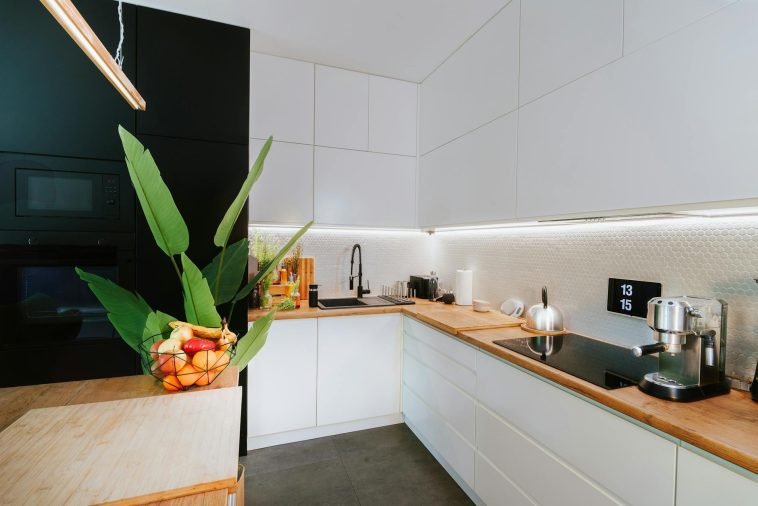
Honestly, I used to think smart kitchens were just a gimmick. But AI-assisted home cooking? It’s genuinely changing things. We’re talking about appliances that don’t just set timers, but actually *learn* your preferences, track your pantry, and suggest recipes based on what you *actually* have and what you *actually* like. My new GE Profile smart oven (got it on sale at Best Buy for $1,900 last month, down from $2,400) literally tells me when my chicken is perfectly cooked based on its internal camera. It’s not just about convenience; it’s about reducing food waste and making cooking less stressful. And let’s be real, who doesn’t want that?
Smart Kitchens That Actually Get You
Forget ‘smart’ fridges that just show you the weather. The 2026 models, like the Samsung Family Hub 7.0, integrate with your favorite recipe apps and even suggest meals based on your family’s dietary needs and what’s about to expire. My fridge literally nudged me yesterday to make a lentil soup because I had a few carrots and a half onion that needed using. It’s like having a tiny, very helpful chef living in your appliance, and I’m not mad about it.
Say Goodbye to Food Waste with AI
This is where AI really shines. There are new apps, like ‘ZeroWaste Chef AI’ (free with premium features for $4.99/month), that scan your grocery receipts or let you manually input pantry items. Then, it tracks expiration dates and suggests recipes specifically designed to use up ingredients before they go bad. I’ve cut my weekly food waste by at least 30% since I started using something similar. It’s a game-changer for your budget and the planet, seriously. No more sad, forgotten veggies in the back of the drawer.
Beyond the Basics: Global Flavors Get Hyper-Niche
Okay, we’ve all done Thai curry night, right? And Indian takeout is a staple. But in 2026, people are digging way deeper. We’re moving beyond broad ‘Asian’ or ‘African’ categories and getting into hyper-specific regional cuisines. Think dishes from the Oaxacan region of Mexico, not just generic tacos. Or the vibrant, spicy flavors of Kerala in India, rather than just ‘curry.’ It’s about celebrating the incredible diversity of food cultures and discovering flavors you never knew existed. I’ve been experimenting with West African stews lately, and the use of ingredients like egusi seeds and red palm oil is just mind-blowing. It’s an adventure for your palate, and I’m here for it.
Beyond Thai & Indian: The Rise of Regional Gems
So, you’ll see more restaurants and even grocery store aisles dedicated to super-specific regions. I’m talking about Ethiopian injera bread and wat stews becoming more common, or the complex, smoky moles from Oaxaca. Trader Joe’s just started carrying a fantastic range of West African spices, including grains of paradise, which is incredible in roasted chicken. Don’t be afraid to try something new; these are flavors that have been perfected over centuries.
Ancient Grains, New Twists
Quinoa had its moment, but now we’re seeing a massive surge in other ancient grains. Fonio, a tiny, nutritious grain from West Africa, is showing up in everything from porridges to pilafs. Teff, an Ethiopian staple, is fantastic for gluten-free baking. And freekeh, a roasted green wheat, adds a wonderful smoky flavor to salads. You can find most of these at Whole Foods, or often cheaper at international markets or online retailers like Thrive Market. They’re not just healthy; they add amazing texture and depth to your cooking.
Plant-Based, But Make It… Fungi and Algae? The Next-Gen Green Revolution
I’m still a big fan of a good veggie burger, but the plant-based scene in 2026 has really evolved beyond just soy and pea protein. We’re talking about some seriously innovative stuff, especially when it comes to fungi and algae. People are looking for more sustainable, nutrient-dense protein sources that don’t rely on massive land or water use. And honestly, some of these new products are shockingly good. My partner, who is a total carnivore, even admitted that the mushroom-based ‘pulled pork’ I made last week was surprisingly satisfying. It’s not about replacing meat entirely for everyone, but offering genuinely delicious and ethical alternatives.
Mushrooms: The New Protein Superstars
Forget button mushrooms; we’re talking about Lion’s Mane, Oyster, and Shiitake taking center stage. Companies like ‘MycoFoods’ are making incredible mushroom-based ‘steaks’ and ‘chicken’ that have fantastic texture and absorb flavors beautifully. I actually prefer them to some of the earlier plant-based meats because they don’t have that weird aftertaste. Plus, mushrooms are packed with nutrients and have a much smaller environmental footprint. Keep an eye out for them in the freezer aisle at your local Kroger or Tesco.
Algae’s Moment in the Sun (and on Your Plate)
Okay, this sounds a bit wild, but hear me out. Algae is super sustainable and incredibly nutrient-dense. We’re seeing it pop up in more than just spirulina smoothies. New algae-based oils are hitting the market, offering healthy fats with a neutral flavor. And algae protein powders are becoming a serious contender for athletes. ‘AlgaPro’ just launched a line of algae-infused pasta that has a subtle umami flavor and boosts the protein content significantly. It’s definitely something to watch; it’s a super efficient food source.
No Scraps Left Behind: The Upcycled & Zero-Waste Kitchen
This one makes my inner frugal grandma so happy. Zero-waste cooking isn’t just a niche thing anymore; it’s becoming a mainstream movement. People are genuinely trying to make the most of every single ingredient, from root to stem, and finding creative ways to use up what used to be considered ‘scraps.’ It saves money, it reduces landfill waste, and honestly, it makes you a much more creative cook. I used to just toss broccoli stems, but now I’ll shave them thin for a slaw or roast them with olive oil and garlic. It’s a small change, but it adds up, both for your wallet and for the planet. Plus, it feels pretty darn good to not throw food away.
Root-to-Stem & Nose-to-Tail, Plant Edition
Think beyond the main event. Carrot tops? Blend them into a pesto. Watermelon rinds? Pickle them for a surprisingly delicious snack. Broccoli stems? Peel ’em, slice ’em, and roast ’em until tender-crisp. Even corn cobs can be simmered for a sweet, flavorful stock. It’s all about rethinking what’s edible and finding new textures and flavors. My favorite hack is making a delicious ‘everything’ vegetable broth with all my veggie trimmings I collect in a freezer bag throughout the week.
Creative Scraps: From Peel to Plate
Don’t toss those citrus peels! Candied orange peel is amazing, or you can infuse them into olive oil or vinegar. Potato peels can be tossed with spices and baked until crispy for a killer snack. Even coffee grounds can be used as a rub for steak or added to compost. It’s about seeing potential where you used to see trash. I made an incredible batch of ‘ugly fruit’ jam last week with some slightly bruised apples and overripe berries I got for super cheap at Walmart. It was delicious and cost me next to nothing.
Your Gut’s New Best Friend: Functional Foods & Personalized Nutrition
Okay, so gut health has been a buzzword for a while, but in 2026, it’s getting seriously personal. We’re moving beyond generic probiotics and into tailored nutrition plans based on your *actual* microbiome. People are realizing that one-size-fits-all just doesn’t work, and they’re willing to invest in understanding their bodies better. Functional foods aren’t just supplements anymore; they’re integrated into everyday meals, snacks, and drinks. I’ve been experimenting with adaptogens in my morning smoothie, and honestly, I do feel a difference in my energy levels. It’s a holistic approach to eating that really focuses on what makes *you* feel good.
Personalized Probiotics: Not One-Size-Fits-All Anymore
This is huge. Services like Viome and ZOE (now widely available in the US, UK, and Australia) offer at-home gut microbiome testing. They analyze your unique gut bacteria and then provide personalized food recommendations and probiotic supplements. No more guessing! I’ve been on a ZOE plan for six months, and the insights are genuinely transformative. My energy is up, and my digestion is way better. It costs about $350 for the initial kit and then $59/month for the personalized supplements, but for me, it’s been worth every penny.
Adaptogens & Nootropics: Beyond the Buzzwords
These aren’t just for health fanatics anymore. Adaptogens (like ashwagandha for stress or reishi for immunity) and nootropics (like Lion’s Mane for focus) are being added to everyday foods. You’ll find them in coffee blends, snack bars, and even sparkling waters. ‘Calm Brew’ just launched a line of ashwagandha-infused iced teas at Costco for $12 a 6-pack, and they’re delicious. It’s an easy way to get a little extra boost without having to take a bunch of pills. I’ve been putting a tiny bit of mushroom powder into my morning coffee, and I swear it helps with my focus.
⭐ Pro Tips
- Invest in a good quality micro-farming kit, like the AeroGarden Harvest Elite for $200. It’ll pay for itself in fresh herbs within 6-8 months, especially with the price of organic produce.
- Start a ‘scrap bag’ in your freezer. Just toss in veggie ends, herb stems, and onion peels. When it’s full (usually 1-2 weeks), you’ve got the base for an amazing, free vegetable broth.
- Don’t be afraid to try one new ‘hyper-niche’ ingredient a month. Check out your local international market; often, you’ll find things like Fonio or unique spices for 30-50% less than specialty health stores.
- Look for ‘ugly produce’ boxes from services like Misfits Market (around $25-35/box). They’re perfect for embracing zero-waste and getting seasonal ingredients at a fraction of the cost.
- If you’re curious about personalized nutrition, commit to a 3-month trial of a service like ZOE. The initial data and insights are invaluable, even if you don’t continue the subscription long-term.
Frequently Asked Questions
What’s the most impactful food trend for home cooks in 2026?
Honestly, AI-assisted home cooking and zero-waste techniques are probably the biggest game-changers. They save you money, reduce stress, and make you a more efficient cook. It’s about smarter living.
How much does it cost to get into personalized nutrition services?
Initial gut microbiome testing kits, like from Viome or ZOE, typically run from $200-$400. Ongoing personalized supplement subscriptions can add $50-$100 per month, but many find the insights alone worth it.
Is foraging for food actually safe for beginners?
Only if you go with an experienced guide or use reliable, AI-powered identification apps (and even then, double-check!). Never, ever eat something you’re not absolutely certain about. It’s not worth the risk.
What are some easy ‘next-gen plant-based’ options to try?
Start with mushroom-based meat alternatives from brands like MycoFoods or Meati. They have a great texture and flavor. Algae-infused pasta is also a super easy swap for a nutritional boost.
How long does it take to see benefits from functional foods like adaptogens?
It really depends on the person and the adaptogen, but many people report feeling subtle benefits within 1-2 weeks of consistent use. For something like improved focus, I noticed a difference in about 10 days.
Final Thoughts
So, there you have it: my take on the biggest food trends for 2026. It’s clear that our kitchens are getting smarter, our food is getting more local, and we’re all becoming a bit more adventurous (and sustainable!) with what we eat. Don’t feel like you have to jump on every single trend, but pick one or two that genuinely excite you. Maybe it’s finally getting that smart oven, or trying a new ancient grain. Or maybe it’s just committing to using up those broccoli stems instead of tossing them. Whatever you choose, remember that good food is about discovery and making choices that feel right for you. Get out there and experiment, my friends!

GIPHY App Key not set. Please check settings