 xplorely
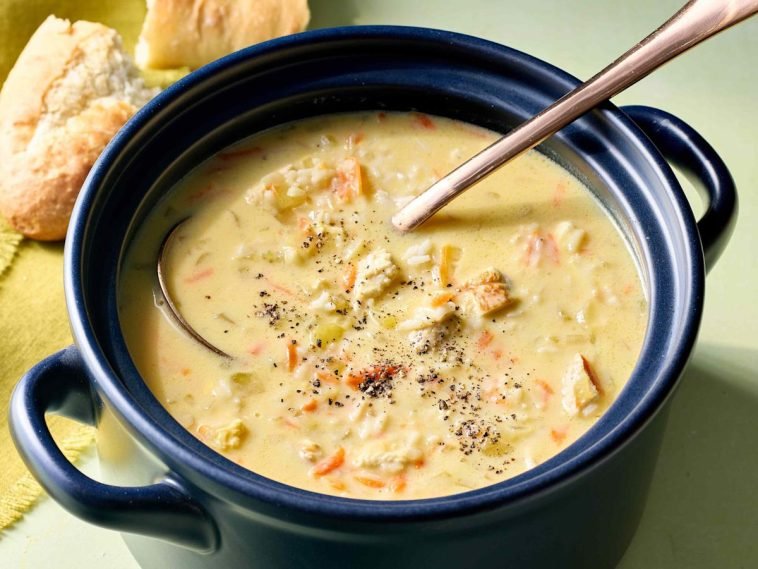
Okay, so you know how sometimes you just *need* a hug in a bowl? Like, it’s April 2026, and maybe the spring weather’s been totally weird, or you’re just feeling that mid-week slump. That’s when I reach for my recipe for creamy chicken noodle soup. Look, classic chicken noodle soup is great, don’t get me wrong. But sometimes, you want something a little extra, something that coats your tongue and warms you from the inside out in a way that regular broth just can’t. That’s where the creamy magic comes in. I’ve probably made this recipe a hundred times, tweaked it, messed it up, and finally landed on perfection. And trust me, it’s easier than you think to get that rich, velvety texture without it feeling heavy. This isn’t just soup; it’s a whole vibe.
📋 In This Article
- Why Creamy? Because Life’s Too Short for Bland Soup
- Chicken Choice Matters: My Go-To for Max Flavor (and Ease!)
- The Veggie Foundation: Building That Flavor Base
- Noodle Nitty-Gritty: How to Avoid a Mushy Mess
- Putting It All Together: The Creamy Finish & Perfect Seasoning
- Storage & Leftovers: Because You’ll Want More (Trust Me!)
- ⭐ Pro Tips
- ❓ FAQ
Why Creamy? Because Life’s Too Short for Bland Soup
Honestly, adding a touch of cream to chicken noodle soup just takes it from ‘good’ to ‘OMG, I need another bowl right now.’ It mellows out the savory chicken and bright veggies, creating this incredible, cohesive flavor that regular broth can’t achieve. I used to be a purist, you know, just chicken, noodles, broth. But then I tried it with a splash of heavy cream one chilly evening a few years back, and my world changed. It’s not about making it a heavy, dairy-laden stew; it’s about that subtle richness that makes every spoonful feel luxurious. And it’s surprisingly easy to incorporate without making it super complicated. I’m talking like, five minutes extra, max. It also helps bind all the flavors, making the soup taste like it’s been simmering for hours, even if you whipped it up in under an hour and a half. Seriously, once you go creamy, you won’t go back.
What Kind of Cream to Use? (Don’t Overthink It!)
For that truly luscious texture, I always reach for heavy cream. A lot of people wonder if they can use milk, and yeah, you *can*, but it just won’t be the same. Milk, even whole milk, has less fat, so you won’t get that same velvety richness. If you’re trying to cut calories, you could do half-and-half, but honestly, for the best experience, heavy cream is the way to go. You only need about 1/2 to 3/4 cup for a big pot of soup, so it’s not like you’re drinking a whole carton.
Don’t Skimp on the Broth, Seriously
This is crucial. The broth forms the foundation of your creamy chicken noodle soup, so don’t grab the cheapest stuff you can find. I usually buy the big cartons of organic chicken broth from Costco or Trader Joe’s — their prices are usually pretty good, around $1.99-$2.49 for 32oz. Or, if I’ve got time, I’ll make my own from leftover roasted chicken bones. A rich, flavorful broth means less seasoning you have to do later, and it just tastes better. It’s the unsung hero of this whole operation.
Related Reading
Chicken Choice Matters: My Go-To for Max Flavor (and Ease!)
Okay, let’s talk chicken. I’m a firm believer that boneless, skinless chicken thighs are the absolute best choice for creamy chicken noodle soup. They stay so much more tender and flavorful than chicken breasts, especially after simmering. Breasts can get a little dry and stringy sometimes, you know? Thighs just hold up better to the cooking process, and they bring a deeper, richer chicken flavor to the party. I usually grab a pack of about 1.5 lbs from Walmart; it’s usually around $7-9 these days. But if you only have breasts, totally fine! Just be careful not to overcook them. The goal here is juicy, shreddable chicken, not dry sawdust. And yes, you can even use a rotisserie chicken if you’re feeling super lazy – I won’t tell anyone.
Prep Your Chicken Right: Sear, Don’t Just Boil
Here’s a little trick that adds a ton of flavor: quickly sear your chicken thighs before adding them to the soup. Just a couple of minutes per side in a hot pot with a little olive oil until they get a nice golden crust. That browning creates something called the Maillard reaction, which equals more flavor for your soup. Then, you can remove them, build your soup base, and add the seared chicken back in to cook through in the broth. It’s a small extra step, but man, does it make a difference.
Shredding Secrets: My Favorite Hack
Once your chicken is cooked through and tender, take it out and shred it. You can totally use two forks, but my absolute favorite hack (and I learned this from another food blogger years ago) is to use a hand mixer! Pop the cooked chicken into a bowl, and just go at it with your hand mixer on low speed. It shreds the chicken perfectly in seconds. Seriously, it’s a game-changer if you’re making a big batch. It saves so much time and your wrists will thank you.
The Veggie Foundation: Building That Flavor Base
You can’t have a good chicken noodle soup without a solid veggie base, right? We’re talking the classic mirepoix here: carrots, celery, and onion. It’s non-negotiable for me. They sweat down and release all their amazing aromatic flavors into the oil, setting the stage for everything else. I’ll usually do about 2 carrots, 2 celery stalks, and 1 medium onion, all diced pretty small so they soften up nicely. And garlic? Oh, you *know* we’re adding garlic. Like, 3-4 cloves, minced. Don’t be shy. This combo is the backbone of so many delicious dishes, and it really shines in creamy chicken noodle soup. It’s cheap, too – you can get all these veggies for under $5 at any grocery store, even Whole Foods if you’re feeling fancy.
Getting the Sauté Just Right (Sweat, Don’t Brown)
When you’re sautéing your veggies, the key is to soften them without browning them too much. You want them translucent and tender, not caramelized. Use a medium-low heat and let them cook gently for about 5-7 minutes until they start to soften. This really brings out their natural sweetness and helps them meld into the soup beautifully. If you brown them too much, you’ll get a different flavor profile, which isn’t bad, but not what we’re going for here.
Herbs That Make a Difference (Fresh is Best!)
For herbs, I always go with fresh thyme and a bay leaf. They add such a lovely, earthy depth to the soup. If you can only find dried, use about 1/3 the amount of fresh. I’ll tie a few sprigs of fresh thyme together with kitchen twine so it’s easy to pull out later, along with the bay leaf. You want those subtle aromatic notes, not big chunks of herb. Add them in with the broth and let them do their magic while the soup simmers. Just remember to pull them out before serving!
Noodle Nitty-Gritty: How to Avoid a Mushy Mess
This is where a lot of people mess up their chicken noodle soup, creamy or otherwise. Mushy noodles are the absolute worst. They absorb too much liquid, get gummy, and just ruin the whole experience. I’ve been there, trust me, I’ve made soupy pasta before. The secret? You either add your noodles *right* at the end, cooking them directly in the simmering soup for just a few minutes until al dente, or (my preferred method) you cook them separately. Yeah, it’s an extra pot, I know. But it means perfect noodles every single time, and your soup won’t get super thick and starchy from the noodle water. Plus, if you’re planning on having leftovers, cooking them separately keeps them from swelling up into giant, unappetizing blobs overnight. It’s a small annoyance but totally worth it for superior texture.
Which Noodles Are Best? (My Pick for Texture)
For creamy chicken noodle soup, I absolutely love wide egg noodles. They have that classic, comforting feel, and their texture holds up really well. You can find them in the pasta aisle of pretty much any grocery store – I usually grab a bag of Mueller’s or Annie’s. Don’t go for super thin vermicelli or tiny pasta shapes; they tend to get lost in the creamy broth. You want something substantial that you can really slurp up with your spoon.
The Mushy Noodle Mistake (And How to Fix It)
If you *insist* on cooking the noodles directly in the soup (which, again, I don’t recommend for leftovers), only add them in the last 5-7 minutes of cooking. Cook them until they’re just barely tender, then immediately serve. If you’re doing the separate pot method, boil them in salted water according to package directions, drain, and then add a handful to each serving bowl before ladling the hot soup over them. This ensures they stay perfectly al dente and don’t turn into a starchy mess.
Putting It All Together: The Creamy Finish & Perfect Seasoning
Okay, so you’ve got your flavorful broth, your tender chicken, and your perfectly cooked veggies. Now for the grand finale: making it creamy! This is the part where you really see the magic happen. Once your soup has simmered and all those flavors have mingled, take it off the heat for a minute before stirring in your heavy cream. Why? Because sometimes, if you add cold cream to a roaring boil, it can curdle – not pretty. A quick whisk of a little flour or cornstarch slurry can also help thicken it slightly if you want it extra robust. And then, the seasoning. This is where you become the chef. Don’t be afraid to taste, taste, taste! I use Diamond Crystal kosher salt, and honestly, it’s the best. You’ll need more than you think, but add it gradually. A grind of black pepper, maybe a pinch more dried thyme or a tiny dash of cayenne if you like a little kick. It’s all about balance.
Thickening Hacks (Beyond Just Cream)
If you want an even thicker soup, you’ve got a couple of options. My favorite is a quick roux. Melt a tablespoon or two of butter in a small pan, whisk in an equal amount of all-purpose flour, and cook for about a minute until it forms a paste. Then, whisk this into your simmering soup before adding the cream. Or, for a gluten-free option, mix a tablespoon of cornstarch with two tablespoons of cold water to make a slurry, then whisk that into the hot soup. Both work wonders for a richer consistency.
Seasoning Like a Pro (It’s All About Tasting!)
You’re going to need more salt than you think. Seriously. Especially if you’re using unsalted broth. I usually start with a teaspoon of Diamond Crystal kosher salt, then add 1/2 teaspoon at a time, stirring and tasting after each addition, until it tastes perfectly seasoned. Don’t forget fresh black pepper, too. A tiny squeeze of lemon juice right at the end can also brighten everything up beautifully, but that’s an optional pro move. Just remember, you can always add more, but you can’t take it away!
Storage & Leftovers: Because You’ll Want More (Trust Me!)
Okay, so you’ve made this glorious pot of creamy chicken noodle soup, and if you’re like me, you probably made a big batch. That’s the smartest move because leftovers are just as good, if not better, the next day. But there’s a trick to storing it so it stays delicious and doesn’t turn into a weird, congealed mess. The main thing is the noodles. If you cooked them directly in the soup, they’re going to absorb a lot of liquid overnight and get super soft. That’s why I always recommend cooking them separately and adding them to individual bowls. If you *did* cook them in the soup, just know it’ll be thicker the next day, and you might need to thin it out a bit with extra broth or water when reheating. This soup also freezes surprisingly well, which is great for meal prep or those ‘I don’t wanna cook’ nights.
Best Way to Store (Airtight is Key)
Once your soup has cooled down (don’t put hot soup straight into the fridge, it’ll raise the temperature of everything else!), transfer it to airtight containers. I use those big glass Pyrex containers or even Ziploc freezer bags for freezing. It’ll last safely in the fridge for 3-4 days. If you’re freezing it, it’s good for up to 3 months. Just make sure to leave a little headspace in the container if you’re freezing, as liquids expand.
Reheating for Max Deliciousness (Gentle Heat Wins)
When you’re ready to enjoy those leftovers, reheat the soup gently on the stovetop over medium-low heat. If it’s too thick, add a splash of extra chicken broth or even a little water until it reaches your desired consistency. Avoid microwaving if you can, as it can sometimes make creamy soups separate or get a weird texture. If you froze it, let it thaw in the fridge overnight before reheating. And don’t forget to add fresh noodles to your bowl if you cooked them separately!
⭐ Pro Tips
- Use bone-in, skin-on chicken thighs, then remove the skin and bones after cooking. The bones add so much more flavor to the broth! It’s an extra step, but totally worth it.
- Make a double batch and freeze half (without noodles!) for a super quick meal later. It’ll save you about $15 on a takeout meal when you’re busy.
- Don’t add all the noodles to the main pot of soup if you plan on having leftovers. Cook them separately and add them to individual bowls as you serve to prevent mushiness.
- A tiny splash of fresh lemon juice (like, 1/2 teaspoon) stirred in at the very end brightens up all the flavors and makes the soup sing. Trust me on this one.
- Always, always, ALWAYS taste your soup before serving. Adjust salt, pepper, and maybe a pinch of dried dill or parsley. It makes all the difference.
Frequently Asked Questions
Can I use milk instead of heavy cream in chicken noodle soup?
You can, but the soup won’t be as rich or creamy. Whole milk is the best substitute, but it has less fat than heavy cream, so the texture will be thinner. I really recommend heavy cream for the best results.
How much does it cost to make homemade creamy chicken noodle soup?
A big pot, serving 6-8 people, usually costs me around $25-$35 USD to make from scratch. Chicken is the biggest expense, usually $8-12 for a pack of thighs. Veggies, broth, and cream add another $10-15.
Is creamy chicken noodle soup healthy?
Look, it’s comfort food, so it’s not exactly a health shake. But it’s packed with protein, veggies, and wholesome ingredients. You can make it healthier by using less cream or adding more veggies. It’s definitely better than takeout!
What’s the best type of noodle for chicken noodle soup?
Hands down, wide egg noodles are the best. They have a great texture that holds up well in the soup and gives you that classic, comforting feel. Avoid super thin pasta like vermicelli; it gets lost.
How long does creamy chicken noodle soup last in the fridge?
Your creamy chicken noodle soup will last for about 3-4 days in an airtight container in the fridge. If you want to keep it longer, I’d suggest freezing it without the noodles, where it’ll be good for up to 3 months.
Final Thoughts
So there you have it, my friends. My absolute, no-fail, totally delicious recipe for creamy chicken noodle soup. It’s the kind of meal that wraps you up in a warm hug, perfect for a weird spring day or just when you need a little pick-me-up. I know it seems like a lot of steps, but honestly, once you get going, it comes together so fast. And the payoff? A rich, flavorful, unbelievably comforting bowl of soup that tastes a million times better than anything you’d get from a can. Seriously, go make this. You won’t regret it. And let me know how it goes in the comments!



GIPHY App Key not set. Please check settings