 xplorely
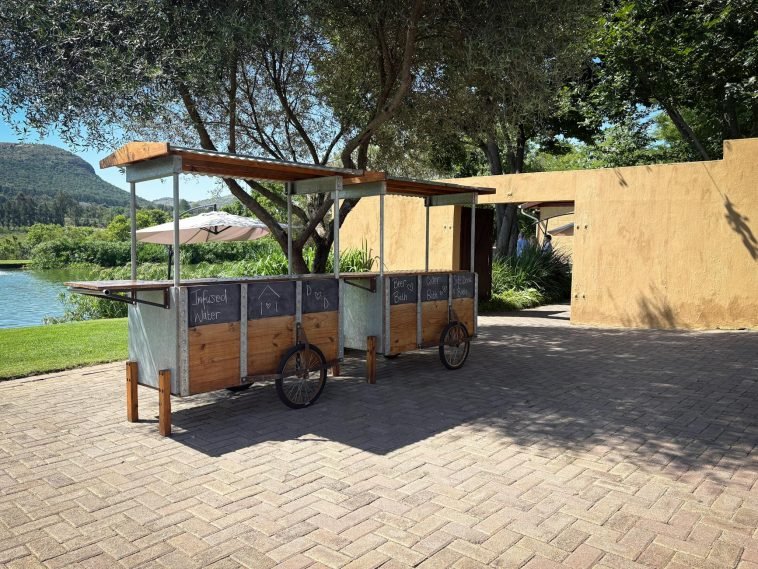
Okay, so let’s talk about kitchen island carts with wheels. You see them everywhere, right? Pinterest, Instagram, even my friend Sarah just bought one from Walmart last month. And I get it – the idea of adding extra counter space and storage that you can *move* around? Genius! But honestly, are 13 kitchen island carts with wheels that are practical yet beautiful actually worth the hype, or are they just clutter waiting to happen? I’ve been on a mission, testing out different models for my own kitchen (which, let’s be real, is not huge) and for friends, trying to figure out what really works. And honestly, since the supply chain finally sorted itself out in early 2026, we’ve seen so many more options appear on the market. I’ve had some duds, some surprisingly good ones, and a few that I genuinely love.
📋 In This Article
- The Dream vs. Reality: Why I Even Started This
- What Makes a Kitchen Cart “Practical” (and Why It Matters)
- Beauty on Wheels: Finding a Cart That Doesn’t Scream “Utility”
- The Wheels, Duh! (But Seriously, They’re Important)
- Assembly Nightmares & Joys: My Experience
- Cost vs. Value: Where to Splurge and Where to Save
- ⭐ Pro Tips
- ❓ FAQ
The Dream vs. Reality: Why I Even Started This
Look, my kitchen isn’t exactly a chef’s paradise. It’s… cozy. And after years of trying to prep dinner on a tiny patch of counter next to the sink, I was desperate for more space. That’s when I started eyeing those kitchen island carts with wheels. The dream was simple: a beautiful, functional piece that I could roll out when I needed it, and tuck away when I didn’t. I imagined effortlessly chopping veggies, cooling baked goods, maybe even a little extra buffet space for parties. My first few attempts were total fails. I bought one from a big box store, not Walmart, and it was flimsy, wobbled like crazy, and looked cheap. Another one I ordered online had a “wood” top that felt more like compressed cardboard. I even tried a super minimalist metal one that just looked sad in my cozy kitchen. It felt like I was constantly compromising either on looks or actual usefulness. That’s why I decided to dig deep and find out what really works.
My Quest for Extra Prep Space & Storage
I needed a spot for chopping, kneading dough, and just generally spreading out. And storage? Don’t even get me started on my overflowing pantry. I wanted shelves for mixing bowls, a drawer for my measuring spoons, maybe even a spot for my KitchenAid mixer. It had to be a workhorse, not just a pretty face that sat there looking pretty but doing nothing.
The Unspoken Need for Mobility
Honestly, the wheels are the whole point for me. My kitchen layout means a permanent island would block traffic flow. So, being able to roll it into the dining room for serving or tuck it against a wall when not in use was non-negotiable. If it didn’t roll smoothly, or if the wheels got stuck, it was out of the running instantly. It just had to move!
What Makes a Kitchen Cart “Practical” (and Why It Matters)
Okay, so “practical” means different things to different people, but for a kitchen cart, it boils down to two main things: the surface you’re working on and the storage you get. I’ve seen everything from cheap laminate to gorgeous butcher block, and trust me, it makes a huge difference. If you’re going to use this thing for actual cooking, you need a surface that can take a beating. And don’t forget the little things, like how easy it is to clean or if it stains from a little spilled red wine (ask me how I know!). The storage also needs to make sense for *your* kitchen. Do you need drawers for utensils, or open shelves for cookbooks? I personally lean towards a mix, because a drawer is invaluable for hiding clutter, but open shelves are great for quick access to things like my olive oil or a stack of plates when entertaining.
Countertop Material: Don’t Skimp Here
For me, a solid wood butcher block or stainless steel top is the way to go. I’ve got one with a solid oak top from Wayfair (it was about $350, on sale) and it’s fantastic for kneading dough. Stainless steel is great for messy prep, super easy to wipe down. Avoid anything that feels like veneer if you plan to actually *use* it for anything more than holding fruit.
Smart Storage: Drawers, Shelves, & Hooks
Think about what you need to store. My current favorite, the “Stenstorp” from IKEA, has two deep drawers and two open shelves. It’s perfect. Some carts come with a built-in towel bar or even a spice rack, which are nice bonuses. Just make sure the shelves are sturdy enough for heavy items like cast iron pans, otherwise they’ll sag.
Beauty on Wheels: Finding a Cart That Doesn’t Scream “Utility”
Nobody wants an ugly piece of furniture in their kitchen, right? Especially if it’s going to be on display. I’ve seen some carts that look like they belong in a hospital (unless that’s your vibe, no judgment!). But really, finding a kitchen island cart with wheels that is *both* practical *and* beautiful is the sweet spot. It needs to blend in, or even enhance, your existing decor. I’m a big fan of mixing materials, like a dark wood base with a lighter top, or even a pop of color if your kitchen is neutral. Don’t just look at the pictures online; read reviews about the actual finish and color. Sometimes “espresso” looks black, and “distressed white” looks like it’s been through a war. You want something that feels cohesive with your space, not an afterthought that sticks out like a sore thumb.
Matching Your Kitchen’s Vibe
Do you have a modern, minimalist kitchen? Look for clean lines, stainless steel, or dark wood. If your style is more farmhouse chic, a distressed white or natural wood cart with a rustic top could be perfect. I’ve got a slightly industrial vibe, so my IKEA cart with its stainless steel top fits right in. It’s all about complementing what you already have.
Finishes & Details That Make a Difference
It’s the little things, honestly. Good quality hardware on drawers, a smooth paint finish that doesn’t chip, or even decorative handles can make a huge difference. I saw a cart at HomeGoods recently (around $200) that had these gorgeous brass pulls that really elevated its look. Pay attention to those details, they really do matter in the long run for aesthetics and durability.
The Wheels, Duh! (But Seriously, They’re Important)
You’d think all wheels are created equal, right? Wrong! I’ve had carts with tiny, flimsy plastic wheels that barely rolled over a rug, and others with big, sturdy locking casters that glided across my uneven kitchen floor like a dream. The wheels are literally what makes it a *mobile* island, so don’t overlook them. You want something that locks securely, so your cart isn’t sliding away from you when you’re kneading dough or leaning on it. And think about your flooring! Hard plastic wheels on hardwood floors can scratch them up, so rubberized or larger wheels are a better bet. I learned this the hard way when my first cart got stuck on the edge of my kitchen mat. Annoying!
Locking Mechanisms: A Non-Negotiable
Seriously, if the wheels don’t lock, it’s just a wobbly table. You need at least two, preferably all four, wheels to have a solid locking mechanism. I prefer the lever-style locks that really clamp down, not just a little push button. Safety first, especially if you’re working with sharp knives or hot pans. A wobbly surface is just asking for trouble, trust me.
Wheel Size & Material for Your Floors
For hard floors (tile, wood, laminate), larger, rubberized wheels are best. They roll smoothly and won’t scratch. If you have carpet or a rug, look for even larger, more durable casters, maybe 3-4 inches in diameter. Small plastic wheels are fine for concrete or garage floors, but not so much for a nice kitchen. Pick wisely to protect your floors and your sanity.
Assembly Nightmares & Joys: My Experience
Okay, so let’s talk about the elephant in the room: assembly. Some of these kitchen island carts with wheels come flat-packed, which means you’re spending an afternoon (or a whole weekend, depending on your DIY skills) putting it together. I’ve had my share of IKEA projects, and while I appreciate the cost savings, sometimes I just want something that’s mostly pre-assembled. I remember one cart I bought last year; the instructions were basically hieroglyphics and I swore I was missing half the screws. My husband and I almost divorced over it. But then there are those rare, glorious moments when a piece of furniture practically builds itself. It really varies by brand, so definitely check reviews for comments on assembly difficulty before you commit. A few extra dollars for something that’s mostly together? Totally worth it for my sanity.
IKEA vs. Pre-Assembled: Pick Your Battle
IKEA carts like the Stenstorp or Bekväm are fantastic value, but be prepared for a few hours of assembly. On the other hand, some brands on Amazon or Wayfair offer “expert assembly” for an extra fee, or come mostly assembled, only needing the wheels and top attached. Decide if your time (and patience) is worth the savings, because it’s a real trade-off.
Tools Needed & Time Commitment
Most carts come with an Allen wrench, but having your own screwdriver and maybe a rubber mallet can make things much easier. Budget at least 1-2 hours for assembly, even for the “easy” ones. If it has drawers, that usually adds another 30-60 minutes to the build time, because those glides can be super fiddly and annoying to get just right. Plan accordingly!
Cost vs. Value: Where to Splurge and Where to Save
Let’s be real, price is a big factor. You can find kitchen island carts with wheels ranging from under $100 to over $1000. So, where should you put your money? From my experience, anything under $150 usually means compromises on material quality, especially the countertop and wheels. That doesn’t mean they’re useless, but don’t expect a solid butcher block or super smooth rolling. If you’re on a tight budget, look for sales at places like Target or even Costco – sometimes they have surprisingly good options for around $180-$250. I think the sweet spot for a really practical *and* beautiful cart is usually in the $300-$600 range. Here, you start getting solid wood tops, better hardware, and sturdier construction. It’s an investment, but one that will last and actually make your kitchen life easier.
Budget Options (Under $200): What to Expect
For under $200, you’re likely looking at carts with engineered wood, laminate tops, and basic plastic wheels. They’re fine for light duty, like holding a microwave or extra dishes, but I wouldn’t recommend heavy chopping or kneading on them. Check IKEA (Bekväm is around $100) or places like Target and HomeGoods for good deals, just manage your expectations.
Mid-Range ($200-$600): My Personal Sweet Spot
This is where you find real value. Carts with solid wood tops (like acacia or rubberwood), metal frames, and decent locking casters. Brands on Wayfair, Amazon, or even specialty kitchen stores often have great options here. I’ve seen some fantastic stainless steel top carts in this range that are super durable and look great. This is where I’d advise most people to shop.
⭐ Pro Tips
- Always check the weight capacity, especially for the shelves. My old cart collapsed under a stack of cookbooks once, and it wasn’t pretty.
- Measure your space *twice*! Don’t forget to account for the wheels adding an inch or two to the height, and make sure it clears doorways.
- If your cart has a wood top, treat it with food-grade mineral oil every few months. I use Howard Butcher Block Conditioner; it keeps it looking good and prevents drying/cracking.
- Don’t be afraid to paint the base! A fresh coat of paint can totally transform a cheap-looking cart into something custom and chic, giving it a whole new life.
- Look for carts with a power strip or outlet built-in. It’s a game-changer for using small appliances like mixers or blenders without hunting for an outlet across the kitchen.
Frequently Asked Questions
Are kitchen islands on wheels stable enough for actual cooking?
Yes, many are! Look for sturdy construction, especially the frame, and make sure all the wheels have strong locking mechanisms. I’ve kneaded dough on mine without issue, but flimsy ones will definitely wobble and make cooking frustrating.
How much does a good quality rolling kitchen island cost?
For a good quality, practical, and beautiful rolling kitchen island, expect to pay between $300 and $600. You can find basic ones for under $150, but they often compromise on materials and stability, so they might not last as long or perform as well.
Is a portable kitchen island actually worth it for a small kitchen?
Absolutely, yes! For small kitchens, a portable island is a lifesaver. It gives you extra prep space only when you need it, and you can tuck it away. It’s a much better solution than a fixed island that clogs up precious walking space.
What is the best material for a kitchen island cart top?
For durability and looks, a solid wood butcher block (like acacia or oak) or stainless steel top is best. Wood needs some maintenance, like oiling, but it’s beautiful. Stainless steel is super hygienic and easy to clean, perfect for messy tasks.
How long does it take to assemble a kitchen island cart?
Most kitchen island carts take 1 to 3 hours to assemble, depending on the complexity and how many drawers it has. Having your own tools (like a power drill for screws) can speed things up considerably and save your hands from soreness.
Final Thoughts
So, after all that testing and quite a few kitchen cart adventures, here’s my honest take: yes, 13 kitchen island carts with wheels that are practical yet beautiful are absolutely worth it – if you pick the right one. Don’t just grab the first pretty thing you see online. Think about how you’ll actually use it, what materials will hold up, and if those wheels are actually going to roll. My biggest piece of advice? Prioritize stability and a good countertop material. You can always paint the base if you don’t love the color. Go for something that genuinely adds function and beauty to your space, not just another piece of furniture. You’ll thank me when you’re effortlessly prepping dinner on your new favorite kitchen helper.



GIPHY App Key not set. Please check settings