 xplorely
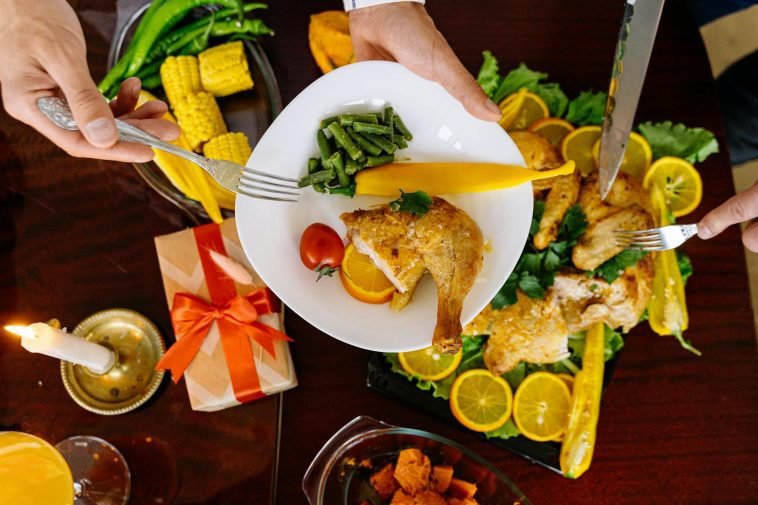
Man, 2025 feels like yesterday, doesn’t it? My blog traffic was absolutely wild that year, and I still get emails asking about those dishes that just *blew up*. People were really into comfort food, but also super quick weeknight meals, and anything that felt a little fancy without actually being hard. If you’re just starting out in the kitchen, or maybe you’re looking to expand your repertoire beyond, like, toast, you’re in luck. I’ve compiled my absolute best beginner tips for tackling some of the most popular 2025 recipes that are still totally relevant and delicious today. Trust me, I made these things so many times I almost turned into a sheet pan. We’re talking real-deal advice here, stuff I learned from burning things and making a huge mess, so you don’t have to.
📋 In This Article
- Sheet Pan Dinners: The Unsung Heroes of Weeknight Sanity (and 2025)
- Air Fryer Obsession: How to Get That Crispy Goodness Every Time
- Homemade Pasta & Gnocchi: Because You’re Fancier Than You Think!
- Flavor Bombs: Gochujang and Chili Crisp Everywhere!
- The Rise of the ‘Better Than Takeout’ Bowls (and How to Make Yours Shine)
- Desserts That Don’t Require a Pastry Degree: Easy Wins for Beginners
- ⭐ Pro Tips
- ❓ FAQ
Sheet Pan Dinners: The Unsung Heroes of Weeknight Sanity (and 2025)
Look, I get it. After a long day, the last thing you want to do is wash a million dishes. That’s why sheet pan dinners were such a massive hit in 2025, and honestly, they’re still my go-to on a Tuesday. You literally chop some stuff, toss it with oil and spices, and throw it on a baking sheet. Done. I’m talking about things like sheet pan lemon herb chicken and veggies, or sausage and peppers. The secret, and this is where beginners often mess up, is not overcrowding the pan. If you pile everything on top of each other, it steams, it doesn’t roast. And nobody wants soggy veggies, right? I usually grab two standard half-sheet pans from Walmart for about $8 each. It’s a small investment that makes a HUGE difference.
Don’t Overcrowd Your Pan (Seriously!)
This is non-negotiable, folks. If your ingredients are all snuggled up like sardines, they’ll steam instead of getting that beautiful, crispy, caramelized roast. Use two pans if you need to; it’s better to have an extra pan to wash than a sad, mushy dinner. Give everything space to breathe, and you’ll thank me when you bite into that perfectly roasted broccoli.
The Magic of High Heat & Preheating
For sheet pan dinners, you want a hot oven, usually 400-425°F (200-220°C). And here’s the kicker: preheat your oven *with the sheet pan inside*. Letting the pan get screaming hot before you add your ingredients gives them an immediate sear, which means more flavor and better texture. It’s a tiny step, but it’s a total game-changer for crispy results. Trust me on this one.
Air Fryer Obsession: How to Get That Crispy Goodness Every Time
Okay, so if 2025 had a mascot, it was probably an air fryer. Everyone, and I mean *everyone*, was getting one. And for good reason! They’re basically tiny convection ovens that make things super crispy with way less oil. Think crispy chicken wings, perfect roasted potatoes, even ‘fried’ pickles. My Cosori 5.8-quart air fryer, which I snagged on Amazon for about $120 back in 2024, is still going strong. The biggest mistake I see beginners make? Not shaking the basket enough or using too much oil. You really only need a little spritz of olive oil or avocado oil. Overdoing it makes things greasy, not crispy. And don’t forget to give things a good shake halfway through cooking!
Less Oil is More (Seriously)
I know it feels counterintuitive, but air frying doesn’t need a lot of oil. A light spray with an oil mister (I got mine at Trader Joe’s for $4) is usually all you need. Too much oil just makes a mess and can actually make your food less crispy. We’re talking a teaspoon or two for a whole basket of veggies or chicken. It’s wild, but it works.
Shake, Shake, Shake Your Basket!
This is crucial for even cooking. Most air fryers cook super fast, and the hot air circulates best when things aren’t just sitting there. Every 5-7 minutes, pull out that basket and give it a good shake. If you’re doing something delicate like fish, use tongs to gently flip. This ensures every side gets that perfect golden-brown crisp, not just the top.
Homemade Pasta & Gnocchi: Because You’re Fancier Than You Think!
I swear, 2025 was the year everyone decided they were a nonna. Suddenly, my Instagram feed was flooded with people making homemade pasta and gnocchi. And you know what? It’s not nearly as hard as it looks, especially if you start with gnocchi. You only need a few ingredients – potatoes, flour, an egg – and a little patience. I use a simple potato ricer (mine’s a cheap one from IKEA for about $15) to get super fluffy potatoes, which is key. The biggest hurdle for beginners is usually overworking the dough, which makes it tough. You want a light touch, like you’re petting a tiny kitten. This step is annoying but totally worth it for that pillowy texture.
The Potato Rule for Perfect Gnocchi
For gnocchi, use starchy potatoes like Russets or Idaho. Boil them whole, with the skin on, until very tender. This prevents them from absorbing too much water. Once cooked, peel them immediately and rice them while they’re still hot. The drier the potato, the less flour you’ll need, and the lighter your gnocchi will be. Don’t skip this part!
Less is More with Flour & Kneading
When you’re mixing your gnocchi or pasta dough, add flour gradually until it just comes together. The moment it’s no longer sticky, stop. Over-kneading develops too much gluten, which makes your pasta or gnocchi tough and chewy, not tender. Work quickly and gently, almost like you’re barely touching it. It’s a delicate balance, but you’ll get the hang of it.
Flavor Bombs: Gochujang and Chili Crisp Everywhere!
Remember how everyone was putting Gochujang and chili crisp on *everything* in 2025? Yeah, that trend didn’t die, and for good reason. These aren’t just condiments; they’re flavor multipliers. Gochujang, that fermented Korean chili paste, adds this amazing savory, sweet, and spicy kick. And chili crisp? Oh my god. That crispy, crunchy, umami oil is just pure magic. For beginners, these are your secret weapons for making even the simplest dish taste incredible. A fried egg, a bowl of ramen, roasted veggies – just a spoonful transforms them. I always have a jar of Laoganma Spicy Chili Crisp from my local Asian market (around $6) and a tub of Chung Jung One Gochujang from H Mart ($10-12) in my fridge.
Start Small, Taste Often
Gochujang can be pretty potent, especially if you’re sensitive to spice. When you’re first experimenting, add a small amount – like half a teaspoon – to your dish, stir it in, and then taste. You can always add more, but you can’t take it away! Get a feel for its intensity before you go all in. It’s a journey, not a sprint.
Beyond the Obvious: Get Creative!
Don’t just think of these as stir-fry ingredients. I’ve used Gochujang in marinades for grilled chicken, mixed it into mayo for a spicy sandwich spread, and even whisked it into a vinaigrette. Chili crisp is fantastic on avocado toast, stirred into scrambled eggs, or drizzled over vanilla ice cream (yes, really!). Experiment! You’ll be surprised where these flavors shine.
The Rise of the ‘Better Than Takeout’ Bowls (and How to Make Yours Shine)
In 2025, everyone was trying to recreate their favorite restaurant bowls at home – think Chipotle, poke bowls, or those fancy grain bowls. And honestly, it’s super achievable for beginners, and way cheaper than ordering delivery. The key is building layers of flavor and texture. Don’t just throw stuff in a bowl. You need a base (rice, quinoa, noodles), a protein (chicken, tofu, beans), veggies (raw or roasted), something crunchy (nuts, seeds, fried onions), and a killer sauce. My general rule for a good bowl is to hit at least three textures and three flavor profiles: savory, fresh, and a little tang. A good bowl costs me about $3-4 per serving versus $15+ for takeout.
The Sauce is the Boss (Seriously)
A mediocre bowl can become amazing with a fantastic sauce. Don’t just grab a bottle of store-bought dressing. Whisk up something simple: tahini, lemon juice, water, garlic powder for a creamy dressing; or soy sauce, rice vinegar, sesame oil, a touch of honey, and a pinch of ginger for an Asian-inspired one. Make a big batch and keep it in the fridge for a week.
Texture, Texture, Texture!
This is what makes a bowl exciting. You need contrast. If everything is soft, it’s boring. Think about adding something crunchy: toasted pumpkin seeds, crushed peanuts, crispy fried onions, fresh bell peppers, or even some quick-pickled red onions. That satisfying crunch makes every bite more interesting and stops you from getting flavor fatigue.
Desserts That Don’t Require a Pastry Degree: Easy Wins for Beginners
Honestly, after all the cooking, sometimes you just want something sweet without a huge fuss. In 2025, I noticed a huge surge in simple, comforting desserts that anyone could make. Think giant chocolate chip cookies (the kind that look bakery-worthy but are totally from scratch), easy fruit crumbles, or even fancy-ish mug cakes. My go-to recipe for ‘impressive but easy’ is definitely a good old apple crisp. You literally just chop apples, mix a topping, and bake. Minimal skill, maximum reward. I always use unsalted butter from Costco – it’s way cheaper in bulk and gives you control over the salt in your baking. A good dessert doesn’t have to be complicated, just delicious.
Measure Your Flour Accurately (The Spoon & Level Method)
For baking, precision matters, especially with flour. Don’t just scoop it directly from the bag with your measuring cup – that compacts it and you’ll end up with too much. Instead, use a spoon to lightly scoop flour into your measuring cup until it’s overflowing, then use the back of a knife or a straight edge to level it off. This tiny step prevents dry, dense baked goods.
Embrace the ‘Ugly Delicious’ Philosophy
Seriously, especially for beginners. Your first batch of cookies might not be perfectly round, and your crumble topping might look a little rustic. Who cares?! As long as it tastes good, you’ve won. Don’t let the perfect-looking desserts on social media intimidate you. Focus on flavor and enjoying the process. The aesthetics will come with practice, or they won’t, and that’s okay too.
⭐ Pro Tips
- Always measure your dry ingredients by weight, not volume, especially flour. A kitchen scale (mine was $25 on Amazon) will change your baking life.
- Invest in a good quality instant-read thermometer. It’s about $30-40, but it prevents overcooked chicken and undercooked roasts. No more guessing!
- Prep all your ingredients (mise en place!) before you start cooking. Chopping onions, mincing garlic, measuring spices – it makes cooking way less stressful and faster.
- Don’t be afraid to taste as you go. This is how you learn to adjust seasonings. A little more salt, a squeeze of lemon, a pinch of chili flakes can transform a dish.
- Clean as you cook. Seriously. Wash a pan while something simmers, wipe down the counter while veggies roast. It prevents a mountain of dishes at the end.
Frequently Asked Questions
What were the most popular cooking methods in 2025?
Air frying and sheet pan cooking definitely dominated 2025. People wanted quick, easy clean-up meals. Slow cookers and Instant Pots also remained popular for hands-off cooking, especially for busy weeknights.
How much does it cost to get started with these popular recipes?
You can start super cheap! Many basic ingredients are under $5. A good sheet pan is $8-10. An air fryer is the biggest investment, maybe $80-150. You can easily make a few meals for under $20 to start.
Is making homemade pasta or gnocchi actually worth the effort?
Absolutely, yes! The texture and fresh flavor of homemade pasta or gnocchi are miles better than store-bought. It’s a fun weekend project and the results are incredibly rewarding. Try gnocchi first, it’s easier.
What’s a good budget-friendly alternative to expensive ingredients?
For protein, chicken thighs are cheaper than breasts. Lentils and beans are super affordable meat alternatives. Shop seasonal veggies at farmer’s markets or discount stores like Aldi for best prices. Don’t shy away from frozen produce either!
How long does it typically take for a beginner to get good at cooking?
Honestly, you’ll start seeing improvement within a few weeks if you cook 2-3 times a week. Consistency is key. Don’t aim for perfection, just aim for edible and then build from there. It’s a skill you develop over time.
Final Thoughts
So there you have it, a little peek back at the popular 2025 recipes and all my best tips for making them work for you, even if you’re just starting out. Don’t be intimidated by fancy pictures or long ingredient lists. Start with something simple, like a sheet pan dinner or some easy gnocchi. You’ll make mistakes, I promise you will – I still do! But that’s how you learn. The most important thing is to have fun in the kitchen and enjoy the process of creating something delicious. Now go on, grab a pan, and let’s get cooking! You got this.



GIPHY App Key not set. Please check settings