 xplorely
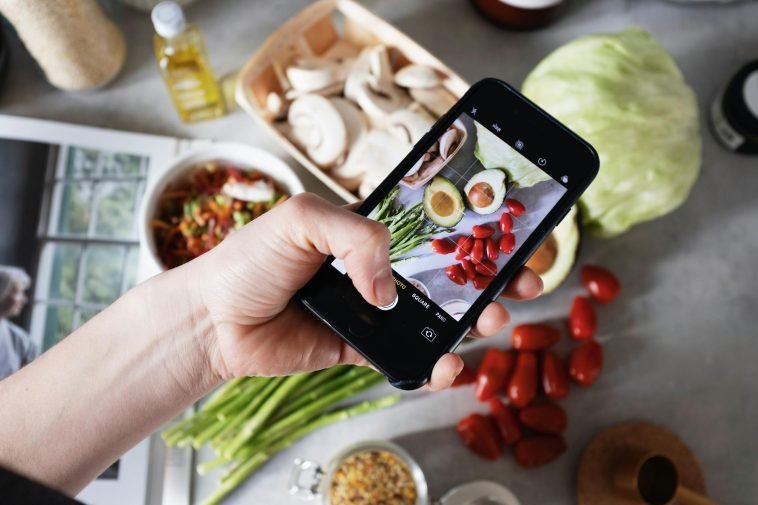
Okay, real talk. Every year, you see those ‘top 10 food trends’ lists, and honestly, half of them feel like they’re written for Michelin-star chefs, not for us regular people trying to get dinner on the table. But I’ve been watching, tasting, and cooking my way through 2026, and I’ve got the lowdown on the top 10 food trends that are actually making waves in home kitchens. This isn’t about tiny foams or edible flowers that cost a fortune. No, this is about delicious, practical stuff that’s changing how we eat and cook every day. Think smarter snacking, gut-friendly goodness, and flavors that’ll blow your mind without blowing your budget. I mean, who wants to spend $50 on a single ingredient, right? I’m talking about trends you can find at your local Trader Joe’s or even Walmart, making your meals better, easier, and maybe a little more exciting.
📋 In This Article
- The Fermented Frenzy: Your Gut’s New Best Friend
- Global Flavors, Hyper-Specific: Beyond Just ‘Curry Night’
- Plant-Based Power-Ups: Beyond the Fake Burger
- Low-ABV & Killer Mocktails: Sip Smarter, Feel Better
- Sustainable & Zero-Waste Kitchens: Cook Smart, Waste Less
- The ‘Snackification’ Gets Gourmet: Mini Meals, Major Flavor
- Spicy, Spicy, Spicy (But Make It Artisanal!): Heat with Heart
- ⭐ Pro Tips
- ❓ FAQ
The Fermented Frenzy: Your Gut’s New Best Friend
Seriously, if you haven’t jumped on the fermented food train yet, what are you even doing? This isn’t some fleeting health fad; it’s a full-blown revolution for your digestion and, frankly, for flavor. People are finally understanding that feeding your gut good bacteria isn’t just for crunchy health gurus. It makes you feel better, helps with immunity, and adds this amazing tang to everything. I’m seeing more homemade kimchi kits popping up at places like Whole Foods, and even my local Safeway has expanded its kombucha aisle to like, five different brands now. And those fancy gut shots? They’re everywhere! My favorite is a local brand I found at a farmers’ market, ‘Cultured Creations,’ and their ginger turmeric shot is a daily must-have for me. You can totally make your own too, which saves a ton of cash. A good starter kit for kimchi or sauerkraut runs about $30-$40 online, and then you’re set for ages.
Kimchi for the Win (and your gut!)
Look, making kimchi sounds intimidating, but it’s really not. I started with a super simple recipe from Maangchi online, and honestly, the hardest part is waiting for it to ferment. You need napa cabbage, Korean chili flakes (gochugaru), garlic, ginger, and some other bits. A big batch costs me about $15-20 in ingredients, and it lasts for weeks in the fridge. It’s awesome with eggs, in fried rice, or just eaten straight from the jar.
Kombucha & Kefir: Drink Your Way to Health
If you’re not into making your own, stores are loaded with options. I usually grab a GT’s Synergy Kombucha (the gingerade is my jam) when it’s on sale for $2.99 at Target. For dairy-free folks, water kefir is blowing up – it’s lighter and super refreshing. You can buy ‘kefir grains’ for about $10-15 online and make endless batches at home. It’s way cheaper than buying individual bottles.
Global Flavors, Hyper-Specific: Beyond Just ‘Curry Night’
Okay, so we’ve been saying ‘global flavors’ for ages, right? But what’s really happening in 2026 is a deep dive into *specific* regional cuisines. People aren’t just looking for ‘Asian food’ anymore; they want Filipino adobo, West African jollof rice, or authentic Georgian khachapuri. This means more specific ingredients showing up in regular grocery stores, which is awesome. I’ve been seeing more Filipino ingredients like calamansi juice and fish sauce (patis) at my local Asian market, and even some Walmart Supercenters are stocking them now. It’s a game-changer because you don’t have to hunt down a specialty store just for one recipe. My last grocery run for a big batch of chicken adobo cost me around $25, and it fed my family for two days. That’s a win-win in my book.
Filipino Food’s Moment in the Sun
Seriously, Filipino cuisine is having a HUGE moment. Adobo, lumpia, sinigang — these dishes are popping up everywhere. My favorite is making pork adobo; it’s so comforting and tangy. The secret is good quality soy sauce and vinegar. I use Silver Swan soy sauce and Datu Puti cane vinegar. You can find these at most Asian grocery stores, and often now even in larger supermarkets. Don’t skip the bay leaves!
West African Flavors You Need to Try
Jollof rice is another one that’s exploded. It’s a smoky, savory rice dish that’s surprisingly easy to make. You’ll need some specific spices like curry powder (a good quality one!), and often tomato paste, bell peppers, and onions. I usually grab my spices from an international aisle at a larger grocery store or online at a place like Amazon. It’s hearty, flavorful, and usually pretty budget-friendly, costing about $20 for a big pot.
Plant-Based Power-Ups: Beyond the Fake Burger
Look, plant-based eating isn’t just about Impossible burgers anymore. People are getting way more creative, focusing on whole, unprocessed ingredients that just *happen* to be plants. Think mushrooms taking center stage, innovative legumes, and really cool ways to use vegetables you might have ignored before. I’m seeing ‘mushroom steaks’ on restaurant menus and honestly, they’re delicious if done right. And instead of just tofu, people are experimenting with tempeh, seitan, and even jackfruit in more sophisticated ways. My local Costco even started carrying a huge bag of frozen jackfruit for like $12.99, which is perfect for making ‘pulled pork’ sandwiches. It’s about making plants the star, not just a substitute for meat. This trend is sticking around because it’s good for you and often, good for your wallet too.
Mushrooms Are the New Meat (Sometimes)
Portobello mushrooms have been around, but now we’re seeing more lion’s mane and oyster mushrooms getting grilled, fried, and baked. They have a fantastic meaty texture. My go-to is searing thick-cut king oyster mushrooms with garlic and soy sauce. They get this incredible umami flavor. You can often find these at Asian markets or even some larger health food stores like Sprouts for around $5-7 a pack.
Legumes Reinvented: Not Just Lentil Soup
Beyond basic beans, people are using lentils, chickpeas, and black beans in really creative ways. Think black bean brownies (trust me, they’re good!), chickpea ‘tuna’ salad, or even lentil-based meatballs. I always have a few cans of organic black beans from Trader Joe’s in my pantry – they’re like $0.99 a can and so versatile. It’s easy protein and fiber without even trying.
Low-ABV & Killer Mocktails: Sip Smarter, Feel Better
Okay, so everyone’s trying to cut back on alcohol, right? But that doesn’t mean we want to drink boring soda water. This year, the low-ABV (alcohol by volume) and mocktail scene has exploded with seriously sophisticated options. We’re talking artisanal syrups, complex non-alcoholic spirits, and creative garnishes that make you feel like you’re at a fancy bar, even if you’re just on your couch. I’ve personally been experimenting with Seedlip non-alcoholic spirits (they’re a bit pricey, around $30-35 a bottle, but last a while!) and infusing my own simple syrups with herbs like rosemary and thyme. It’s less about deprivation and more about crafting a beautiful, flavorful drink that just happens to be low or no-alcohol. My favorite local bar actually has a dedicated mocktail menu now, which is so cool to see. It’s definitely a trend that’s here to stay, and I’m all for it.
Crafting Your Own Mocktail Magic
You don’t need a mixologist’s degree. Start with good quality sparkling water (San Pellegrino is my go-to, often on sale at Costco for like $15 for 24 cans). Add fresh fruit juices – muddled berries, lime, grapefruit. Then a splash of a unique syrup. I love making a ginger-honey syrup at home; it’s just ginger, honey, and water simmered together. Costs maybe $5 to make a batch that lasts a week.
The Rise of Sophisticated Non-Alc Spirits
Brands like Lyre’s and Ritual Zero Proof are making non-alcoholic versions of gin, whiskey, and rum that actually taste good. They’re not cheap, usually $25-35 a bottle, but they let you make classic cocktails without the booze. I found a great Lyre’s Italian Spritz at my local Total Wine & More and it makes a fantastic non-alcoholic spritz with some sparkling wine and orange slices. So good!
Sustainable & Zero-Waste Kitchens: Cook Smart, Waste Less
This isn’t just a trend; it’s becoming a necessity. People are genuinely caring about reducing food waste, and it’s awesome to see. We’re talking root-to-stem cooking, nose-to-tail for meat eaters, and getting creative with leftovers. My grandma always did this, but now it has a fancy name! I’ve really leaned into using vegetable scraps for broth – I keep a big Ziploc bag in my freezer and just toss in onion skins, carrot tops, celery ends, and mushroom stems. When it’s full, I make a big pot of delicious, free vegetable broth. It saves me about $3-5 a carton at the grocery store. Also, meal planning is HUGE for this. If you know exactly what you’re making, you buy exactly what you need, and nothing goes bad. It’s a bit annoying to plan sometimes, but totally worth it for your wallet and the planet. Plus, it makes weeknights so much less stressful.
Root-to-Stem: Don’t Toss Those Greens!
Think about broccoli stems – don’t throw them out! Peel them, slice them thin, and add them to stir-fries or roast them alongside the florets. Carrot tops? They make an amazing pesto. Beet greens? Sauté them like spinach. It’s all edible and delicious. I usually get a huge bunch of carrots with tops from my local farmers’ market for about $3-4, and I get two meals out of it.
Leftovers Reinvented, Not Just Reheated
Instead of just nuking last night’s chicken, turn it into something new. Shred it for tacos, chop it into a salad, or make a quick soup. That leftover rice? Perfect for fried rice the next day. I try to cook one big meal that can be repurposed into two or three different things. A big roast chicken, for example, gives me dinner, then sandwiches, then maybe chicken salad. It’s efficient and tasty.
The ‘Snackification’ Gets Gourmet: Mini Meals, Major Flavor
Remember when snacking was just a bag of chips or a granola bar? Yeah, that’s ancient history. In 2026, ‘snackification’ is all about smaller, more frequent, and seriously gourmet mini-meals. People are looking for snacks that are satisfying, nutritious, and packed with flavor, not just empty calories. Think elevated charcuterie boards for one, protein-packed bites, or even savory yogurts. My current obsession is making little ‘snack boxes’ for myself with hummus, cucumber sticks, some good quality olives (I love the Castelvetrano olives from Trader Joe’s, they’re like $3.99 a jar), and a few pieces of sharp cheddar. It feels fancy, but it’s super easy to throw together. This trend is perfect for busy folks who don’t always have time for a sit-down meal but still want something substantial.
Savory Yogurt: It’s Not Just for Fruit Anymore
Seriously, try this. Take plain Greek yogurt (Fage 0% is my favorite, usually $4.99 for a big tub). Drizzle with good olive oil, a pinch of sea salt, black pepper, and some fresh herbs like dill or chives. You can even add a sprinkle of chili flakes. It’s creamy, satisfying, and surprisingly delicious. I sometimes add a few cherry tomatoes too. It’s a quick, protein-rich snack that feels super grown-up.
DIY Snack Boards: For One or Many
Instead of buying expensive pre-made snack packs, build your own. Grab some whole-wheat crackers, a handful of nuts (Costco’s mixed nuts are a bargain!), a slice of cheese, and some fruit. If you’re feeling ambitious, add a hard-boiled egg or some smoked salmon. It’s customizable, keeps you full, and usually costs way less than buying convenience store snacks. My average DIY snack board runs me about $3-4 per serving.
Spicy, Spicy, Spicy (But Make It Artisanal!): Heat with Heart
Okay, so hot sauce isn’t new, but the way we’re using and appreciating heat in 2026 is totally different. It’s not just about setting your mouth on fire anymore; it’s about nuanced heat, complex flavors, and artisanal chili products. Think hot honey, chili crisp (still going strong, thank goodness!), and regional chili pastes from all over the world. I’ve been seeing Gochujang (Korean chili paste) and Calabrian chilis everywhere, not just in specialty stores. My current obsession is Mike’s Hot Honey – I put it on pizza, fried chicken, and even roasted vegetables. A bottle is around $8-10, but it lasts a while and adds so much flavor. It’s about adding a ‘kick’ that enhances the dish, rather than overpowering it. People are getting really adventurous with their spice levels and seeking out unique, small-batch options.
Chili Crisp: The Unsung Hero of Your Pantry
If you don’t have a jar of chili crisp, stop reading and go get one. Lao Gan Ma is the classic, easily found at most Asian markets or even online for about $5-7. But there are tons of amazing small-batch brands now too. I put it on noodles, eggs, avocado toast, even just plain rice. It adds crunch, heat, and a fantastic umami bomb. It’s seriously addictive and makes everything better.
Hot Honey: Sweet Heat for Everything
This stuff is magic. You can buy it pre-made (Mike’s is great), or you can totally make your own. Just gently warm some honey with dried chili flakes (I use Aleppo pepper for a milder, fruitier heat) and let it infuse. Drizzle it over fried chicken, pizza, roasted carrots, or even a cheese board. It’s this beautiful balance of sweet and spicy that just works. A homemade batch costs pennies compared to buying it.
⭐ Pro Tips
- Don’t buy kombucha, make it! A SCOBY (Symbiotic Culture Of Bacteria and Yeast) can be bought online for about $15, and then you’ll only spend about $2 per gallon on tea and sugar.
- For global flavors, check your local ethnic markets. I find much better prices on spices and unique ingredients there. For example, a big bag of gochugaru (Korean chili flakes) is $8 at my Asian market, but a tiny jar at a regular grocery store can be $12.
- Freeze your vegetable scraps! Keep a gallon-sized freezer bag for onion peels, carrot ends, herb stems. When full, boil with water for free, flavorful vegetable broth. Saves you about $20-30 a month on store-bought broth.
- Invest in a good quality plain Greek yogurt. It’s versatile for sweet or savory snacks, high in protein, and often cheaper in larger tubs. Fage 0% is usually $4.99 for a 35.3oz tub at Target, way better than individual cups.
- Always taste your ferments! Don’t just blindly follow a recipe’s timing. Your kitchen’s temperature affects fermentation speed. Trust your nose and your taste buds to tell you when it’s just right.
Frequently Asked Questions
What are the biggest food trends for home cooks in 2026?
The biggest trends are gut-healthy fermented foods, hyper-specific global cuisines like Filipino, creative plant-based cooking beyond meat substitutes, sophisticated low-ABV drinks, zero-waste cooking, gourmet snacking, and artisanal spicy ingredients.
How much does it cost to try new food trends at home?
Honestly, it can be super affordable. Many trends, like making your own kimchi or using vegetable scraps for broth, actually save you money. Expect to spend $15-25 on ingredients for a new global dish, or $5-15 to make your own fermented food.
Is plant-based eating still popular in 2026?
Yes, absolutely! It’s evolved beyond just fake meat. The focus in 2026 is on whole, unprocessed plant ingredients like mushrooms, legumes, and creative vegetable dishes that are flavorful and satisfying on their own.
What’s a good non-alcoholic spirit brand to try for mocktails?
I’d recommend Seedlip for a complex, botanical experience, or Lyre’s for a wider range of non-alcoholic versions of classic spirits like gin or whiskey. They’re around $30-35 a bottle and totally worth it for sophisticated mocktails.
How long does it take to make homemade kimchi?
The active prep time for a batch of kimchi is usually about 1-2 hours. The fermentation itself takes anywhere from 3-7 days at room temperature, depending on how tangy you like it. Then it’s ready to eat and store in the fridge.
Final Thoughts
So there you have it, my friend. The real top 10 food trends guide for 2026 that actually makes sense for us home cooks. It’s not about chasing impossible ingredients or techniques; it’s about making our food more flavorful, more exciting, and honestly, often more budget-friendly and sustainable. Don’t be afraid to try something new, whether it’s a jar of chili crisp or a batch of homemade kimchi. Start small, maybe pick one trend that really grabs you, and just go for it. Your taste buds (and your gut!) will thank you. Now go get cooking!

GIPHY App Key not set. Please check settings