 xplorely
Disclosure: This post may contain affiliate links. Purchases through these links support our site at no extra cost to you.
Look, I’ve spent the last three weeks eating way too much beef. I wanted to settle the debate once and for all: what is the actual perfect sear method for a home cook in 2026? I grabbed six ribeyes from Costco, fired up the grill, the oven, and even my air fryer, and got to work. My kitchen smelled like a steakhouse for days, but I finally cracked it. If you’re tired of gray, sad-looking meat, you need to hear about my absolute favorite technique. Spoiler: it’s not what you think.
📋 In This Article
The Cast Iron vs. Stainless Steel Showdown
I started by testing the classic cast iron skillet against my All-Clad stainless steel pan. The cast iron, which I’ve had since 2019, holds heat like a beast. I used Diamond Crystal kosher salt to dry-brine the steaks for two hours—don’t skip this, it’s the secret to a good crust. When I dropped the steak into the hot oil, the cast iron produced a deep mahogany crust that was honestly beautiful. The stainless steel was fine, but it didn’t hold the heat as well, leading to a bit of steaming. Honestly, if you don’t have a cast iron, just get a Lodge one at Walmart for like $25. It’s the best investment you’ll make for your kitchen. Seriously, stop overthinking the pan choice.
Related Reading
Why Dry Brining Is Non-Negotiable
If you don’t salt your meat at least an hour before cooking, you’re losing. I found that a 2-hour dry brine in the fridge pulls moisture out and then reabsorbs the salty goodness, making the surface super dry for the sear. A wet steak will never crust properly. It’s just physics, really. Just pat it dry with a paper towel before it hits the pan.
The Reverse Sear: Is It Worth The Wait?
Okay, so everyone on the internet acts like reverse searing is the only way to cook a steak. I get it, the edge-to-edge pink is gorgeous. I cooked a thick 2-inch ribeye low and slow at 225°F until it hit 115°F internal, then seared it in a smoking hot pan. It took about 50 minutes total. The result? Incredible texture. But here’s the thing: it’s a massive time suck. If you’re hungry after work, you aren’t waiting an hour for a steak. It’s great for a Saturday night dinner party, but for a Tuesday? No way. I’d rather just do a quick pan-sear and be done with it in 15 minutes.
Timing The Reverse Sear
Keep a digital thermometer handy—I use a ThermoWorks Thermapen ONE. Don’t eyeball it. Pull the steak when it hits 115°F internal for medium-rare. If you wait until it hits 125°F in the oven, you’ll end up with a medium steak after the sear. It’s a rookie mistake that happens to the best of us.
The Butter Basting Trick
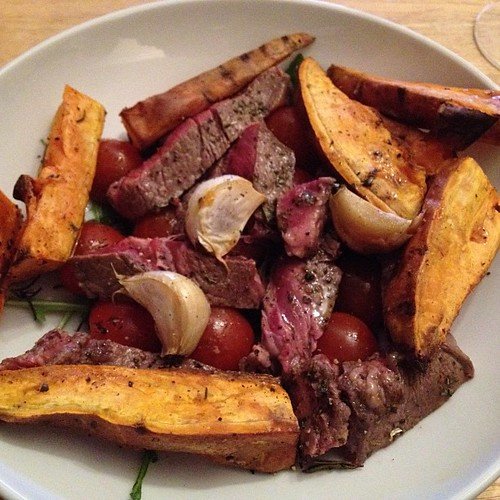
This is where the magic happens, folks. After I get that initial crust on the steak, I turn the heat down to medium and toss in a knob of Kerrygold butter, two smashed garlic cloves, and a sprig of fresh thyme from my Trader Joe’s herb haul. I tilt the pan and spoon that foaming, nutty butter over the steak for the last minute of cooking. It’s annoying to stand there and baste, and yes, it makes a mess of your stove, but it adds that professional depth of flavor that makes people say, ‘Wait, you cooked this?’ It’s worth the extra effort every single time.
Don’t Burn The Butter
The trick is the timing. If you add the butter too early, it’ll burn and turn bitter before the steak is done. Wait until the final 60 seconds. Use a spoon to continuously bathe the meat. It keeps the surface moist and adds that rich, savory finish that elevates the whole experience without any fancy equipment.
Sous Vide: The Science Project
I dragged my Anova Precision Cooker out of the pantry for this one. It’s essentially foolproof, right? I set it to 130°F for two hours. The steak came out perfectly cooked, but the sear was a nightmare. Because the meat was so moist from the bag, I had to pat it dry for five minutes with a mountain of paper towels just to get it to brown. It tasted fine, but the crust wasn’t as crunchy as the cast iron method. If you’re a perfectionist who wants zero risk of overcooking, go for it. But if you want a crust, the pan-sear is still king in my book.
The Paper Towel Hack
If you insist on sous vide, use a hairdryer on the cool setting to dry the surface of the steak after taking it out of the bag. It sounds crazy, but it works way better than paper towels. A dry surface is the only way to get that deep brown color quickly before the inside overcooks.
⭐ Pro Tips
- Always use a high smoke-point oil like avocado oil; don’t use extra virgin olive oil or it will taste like a campfire.
- Cost-saving: buy whole primal cuts at Costco for $9.99/lb and slice them yourself instead of paying $18/lb for pre-cut steaks.
- Beginner mistake: moving the steak around the pan too much. Let it sit! If it sticks, it’s not ready to flip yet.
Frequently Asked Questions
How do you get a good crust on a steak?
You need a ripping hot cast iron pan, a perfectly dry steak surface, and a high smoke-point oil. Don’t crowd the pan and give it enough time to develop that dark brown color.
Is the reverse sear method actually worth it?
It’s worth it for thick steaks over 1.5 inches, but it’s overkill for thin cuts. If you have the time, do it for the texture; if you’re in a hurry, skip it.
What is the best way to sear a steak at home?
The cast iron pan-sear with butter basting is the winner. It’s fast, provides the best crust, and the butter basting adds a restaurant-quality finish that other methods just can’t match.
Final Thoughts
Look, after all that, I’m sticking with the cast iron sear followed by a butter baste. It’s fast, it’s messy, and it’s delicious. You don’t need a sous vide or a fancy oven setup to eat like a king. Just get a heavy pan, dry your steak, and don’t be afraid of high heat. Now go grab a ribeye and get to work—you’ve got this!



GIPHY App Key not set. Please check settings