 Fenny Gandhi
Disclosure: This post may contain affiliate links. Purchases through these links support our site at no extra cost to you.
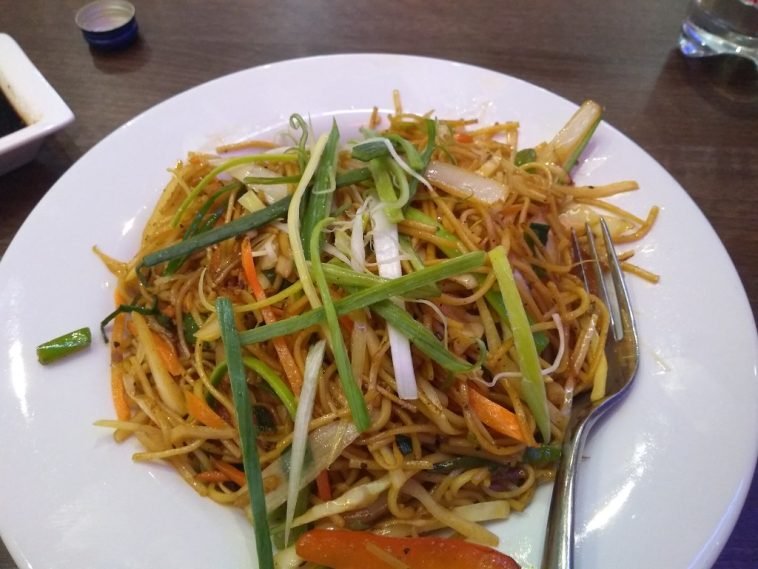
Vegetable Hakka Noodles are one of those dishes that taste way better homemade than anything you’ll get from a takeout container. I know that sounds like something every food blogger says, but with noodles, it’s actually true. Restaurant versions are usually swimming in oil and MSG. When you make them at home, you control everything – the vegetables, the sauce balance, the spice level – and it takes about 20 minutes from start to plate.
This recipe is the version I’ve made probably 50 times now. It’s street-style Hakka noodles with that slightly smoky, slightly tangy flavor that makes Indo-Chinese food so addictive.
Related Reading
Ingredients You’ll Need
For the noodles: 200g Hakka noodles (or any thin wheat noodle – even spaghetti works in a pinch), 1 tablespoon oil, 1 tablespoon sesame oil.
For the vegetables: 1 medium carrot (julienned thin), 1/2 cup cabbage (shredded fine), 1/2 cup capsicum/bell pepper (thin strips), 1/4 cup french beans (thin slices), 3-4 spring onions (whites and greens separated, sliced), 4-5 cloves garlic (minced fine).
For the sauce: 2 tablespoons soy sauce, 1 tablespoon vinegar (white or rice), 1 tablespoon chili sauce or Schezwan sauce, 1/2 teaspoon black pepper, salt to taste.
Optional additions: green chili (slit), mushrooms, baby corn, paneer cubes, or a scrambled egg tossed in at the end.
Step-by-Step Method
Step 1: Boil the Noodles Right
This is where most people mess up. Bring a large pot of water to a rolling boil. Add the noodles and cook for exactly the time mentioned on the packet minus 1 minute. You want them slightly underdone because they’ll cook more in the wok. Overcooked noodles turn mushy and clump together – that’s the number one reason homemade noodles disappoint.
Once drained, run cold water over them immediately to stop the cooking. Toss with 1 tablespoon of regular oil so they don’t stick together. Spread them on a plate to cool. This step makes a huge difference – cold, oiled noodles won’t clump in the wok.
Step 2: Prep All Your Vegetables
Cut everything before you start cooking. Once the wok is hot, things move fast and you won’t have time to chop. Julienne the carrots thin (matchstick size), shred the cabbage fine, and cut the bell pepper into thin strips. Everything should be roughly the same size so it cooks evenly.
Step 3: The Wok Work
Heat sesame oil in a wok or large pan on HIGH heat. High heat is crucial – it’s what gives the noodles that slightly charred, smoky flavor (called “wok hei” in Chinese cooking). If your wok isn’t smoking slightly, it’s not hot enough.
Add garlic and the white parts of spring onions. Stir for 30 seconds – no more, garlic burns fast at high heat. Add the harder vegetables first: carrots and beans. Toss for 1 minute. Then add cabbage and bell pepper. Toss for another minute. The vegetables should be slightly softened but still have crunch. Nobody wants soggy noodle vegetables.
Step 4: Bring It All Together
Push vegetables to the side of the wok. Add the noodles to the center. Pour the soy sauce, vinegar, and chili sauce directly onto the noodles (not the vegetables – the noodles absorb flavor better). Toss everything together using two spatulas or tongs, lifting and turning rather than stirring (stirring breaks the noodles).
Add black pepper and salt. Taste and adjust. If it needs more tang, splash a bit more vinegar. More heat? Add chili sauce. More umami? A tiny splash of soy sauce. The balance should be slightly salty, slightly tangy, slightly spicy.
Toss in the green parts of spring onions, give it one final toss, and serve immediately. Noodles wait for nobody – they’re best straight from the wok.
Tips That Make the Difference
Noodle choice matters. Ching’s Hakka Noodles and Top Ramen’s plain noodles work great for this recipe. If using spaghetti, it tastes fine but won’t have the same chewiness. Fresh noodles from an Asian grocery are the best option if you have access to one.
High heat is non-negotiable. The entire cooking process from garlic hitting the wok to plating should take 4-5 minutes. If it’s taking longer, your heat is too low. Low heat stewing makes the vegetables watery and the noodles soggy.
Don’t overcrowd the wok. If you’re cooking for more than 2 people, make it in batches. Overcrowding drops the temperature and you end up steaming instead of stir-frying. Restaurant woks are massive – your home wok isn’t, and that’s okay. Just cook in smaller batches.
The oil matters. Sesame oil adds that distinctive Indo-Chinese flavor. If you only have regular oil, add a few drops of sesame oil at the end as a finishing touch. Don’t use olive oil – the flavor doesn’t work here.
Frequently Asked Questions
Can I make this without a wok?
Yes, a large flat-bottomed skillet or pan works. The key is maximum surface area for high heat. Avoid deep pots – the noodles will steam instead of fry. A cast iron skillet is actually a great alternative because it holds heat well.
How do I make it spicier?
Add Schezwan sauce instead of regular chili sauce for more heat. You can also add finely chopped green chilies with the garlic, or finish with a drizzle of chili oil. For serious heat, add a teaspoon of red chili flakes or crushed Sichuan peppercorns.
Can I add chicken or egg to this?
Absolutely. For chicken, cut boneless pieces into thin strips and stir-fry them first in the hot wok until cooked through. Remove, cook the vegetables, then add the chicken back with the noodles. For egg, scramble it in the wok first, remove, and toss it back in at the end. Both are great additions.
How long do leftover noodles last?
Refrigerated in an airtight container, they’ll last 2 days. Reheat in a hot wok or microwave with a splash of water and soy sauce. They won’t be as good as fresh (the noodles absorb sauce overnight), but they’re still a solid leftover meal. Add a drizzle of sesame oil after reheating to refresh the flavor.



GIPHY App Key not set. Please check settings