 xplorely
Disclosure: This post may contain affiliate links. Purchases through these links support our site at no extra cost to you.
Okay, real talk for a sec. I’ve been cooking for what feels like forever, and honestly, the amount of total duds I see floating around as ‘viral recipes’ in 2026 is getting out of hand. You know the ones – they look absolutely stunning on TikTok or Instagram, all perfect angles and snappy edits. But then you try to make it, and suddenly you’re staring at a burnt mess or a flavorless blob, wondering where you went wrong. Here’s the thing: it’s probably not you. Test kitchen pros – the folks who spend their lives perfecting recipes – have a whole list of red flags in viral recipes they watch out for, and I’m totally on board with their wisdom. After countless kitchen experiments (and failures!), I’m sharing what I’ve learned about spotting those dodgy trends before you even preheat your oven. Trust me, your grocery budget (and your sanity) will thank you.
📋 In This Article
- That ‘5-Minute Prep’ Claim? Yeah, That’s a Hard Pass From Me
- Ingredient Lists That Scream ‘One-Hit Wonder’ (and Empty Wallet)
- Uh, ‘Cook Until Done’? What Does That Even Mean, Becky?
- Aesthetic Over Flavor: The Pretty Plate Problem
- Wait, Are We Really Doing That? (Food Safety Edition)
- Zero Testing, Maximum Regret: The Un-Tested Recipe Epidemic
- ⭐ Pro Tips
- ❓ FAQ
That ‘5-Minute Prep’ Claim? Yeah, That’s a Hard Pass From Me
Look, I’m all about quick meals, especially on a Tuesday night in April when the kids have practice and I’m just wiped. But when a recipe promises ‘5-minute prep’ for something that clearly involves chopping multiple veggies, simmering a sauce, and maybe even a quick marinade, my internal alarm bells start blaring. Test kitchen pros know that accurate timing is crucial, and rushing through prep almost always leads to a less-than-stellar result. I’ve wasted so many good ingredients – like that organic chicken from Costco or the fresh spring asparagus from the farmer’s market – on recipes that just didn’t respect the actual time it takes to cook. And let’s be real, you’re not a Michelin-star chef with lightning-fast knife skills. Neither am I! So, if it sounds too fast, it probably is. I’ve learned to add at least 50% to any viral recipe’s stated prep time, just to be safe.
Related Reading
Why Your Knife Skills Aren’t the Problem (It’s the Recipe’s)
You know that feeling when you’re watching a video and the creator chops an onion in about 0.7 seconds? Yeah, that’s not real life for most of us. A lot of viral recipes assume you’re a culinary ninja. They don’t account for the time it takes to gather ingredients, wash produce, or, you know, not chop off a finger. If a recipe’s timing seems impossible for a home cook, it’s a huge red flag that it hasn’t been properly tested by real people.
The Hidden Prep: What They Don’t Show You
Often, the ‘5-minute prep’ just means the *active* chopping time. They don’t include preheating the oven, boiling water, marinating, or even just getting all your ingredients out. I’ve fallen for this so many times, thinking I’m making a quick dinner, only to realize I’ve spent 20 minutes just getting ready to cook. It’s sneaky, and it sets you up for failure or, at best, a rushed, stressful cooking experience.
Ingredient Lists That Scream ‘One-Hit Wonder’ (and Empty Wallet)
Okay, so you’ve seen the ‘Creamy Dreamy Unicorn Pasta’ recipe trending. It calls for, like, three different kinds of artisanal cheese you’ve never heard of, a special pink spirulina powder from a health food store, and some obscure herb that only grows on one mountain in France. My eyes just roll straight into the back of my head. Test kitchen pros hate this too because it’s not practical for the average home cook. I’m not running to Whole Foods for a $12 tiny jar of something I’ll use once, especially when my regular grocery run to Walmart or Trader Joe’s already hits $150 a week for my family of four. If a recipe demands a bunch of super specific, expensive, or hard-to-find ingredients that don’t have other uses, it’s a giant red flag. It tells me the creator is probably more interested in novelty than actual deliciousness or practicality.
That $15 Spice You’ll Never Touch Again
Remember that time I bought sumac for a single recipe? It’s still in my pantry, mocking me. Viral recipes often feature unique spices or condiments to make them seem ‘special.’ But if you’re not going to use it regularly, you’ve just wasted money. Stick to recipes that use ingredients you either already have or can easily find and will use again.
Smart Swaps: Don’t Break the Bank for a TikTok Trend
Here’s a tip: if a recipe calls for something super obscure, Google a substitute! For example, if it wants saffron threads for color, maybe a pinch of turmeric could work if flavor isn’t critical. Or if it’s a specific fancy cheese, try a good quality, more common alternative like aged cheddar or Gruyere. Don’t be afraid to adapt – that’s what a real home cook does.
Uh, ‘Cook Until Done’? What Does That Even Mean, Becky?
This one drives me absolutely bonkers. I’ve seen so many viral recipes that just say things like, ‘bake until golden,’ or ‘simmer until thickened.’ Like, what does ‘golden’ look like to you versus me? And ‘thickened’ can mean a lot of things, right? Test kitchen folks are obsessed with precision because consistency is key. They’ll give you exact temperatures (like 375°F for 20 minutes, or until an internal temp of 165°F), specific visual cues (like ‘when the edges are deep golden brown and the center is set’), and even approximate times. When a recipe is super vague, it tells me they either didn’t test it enough to know the specifics or they just don’t care if you succeed. It’s a huge sign that the recipe is probably a one-off idea, not a well-developed formula. I mean, I use my instant-read thermometer for almost everything now because of these vague instructions!
No Temperatures? That’s a Hard Pass From Me
Seriously, if a recipe asks you to bake something and doesn’t give you an oven temperature or a time range, just close the tab. Cooking isn’t magic; it’s chemistry. You need heat and time. Without specific guidance, you’re just guessing, and that’s a recipe for disaster (pun intended!).
The ‘Just Wing It’ Approach Is Not for Beginners (Or Most of Us)
Some seasoned cooks can eyeball things, sure. But most viral recipes are aimed at a broad audience, including beginners. Telling someone to ‘just wing it’ with a complex dish is irresponsible. Good recipes guide you every step of the way, making sure you know what to look for, what to feel, and what to expect. If they don’t, they’re not worth your time.
Aesthetic Over Flavor: The Pretty Plate Problem
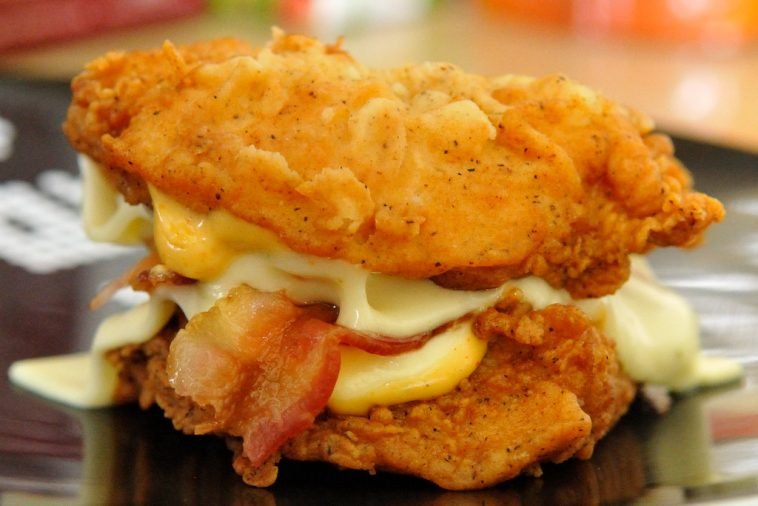
Okay, this is a big one. How many times have you seen a viral recipe that looks absolutely stunning – bright colors, perfect garnishes, maybe even a dramatic cheese pull – but then you try it, and it tastes… fine? Or even bland? Test kitchen pros will tell you that flavor is king. A dish needs to taste as good as it looks, if not better. So many viral recipes, especially the ones that blow up on visual platforms like Instagram and TikTok, prioritize how something *looks* on camera over how it *tastes* in your mouth. They might use a ton of food coloring, or stack ingredients in an impractical way just for the shot. I’ve made a few of these myself, only to be totally underwhelmed by the actual eating experience. My family gives me honest feedback, and ‘it looks nice, Mom’ usually means ‘it’s kinda boring.’
The ‘Cheese Pull’ Trap: Is It Actually Good?
The cheese pull is the ultimate viral food bait, right? But sometimes, it’s just a lot of mediocre cheese melted onto something that lacks real flavor. A good test kitchen recipe uses cheese for its flavor and texture contribution, not just for a dramatic photo op. Don’t fall for the pull if the dish underneath isn’t solid.
Flavor Foundations: What’s Missing from Most Viral Hits
Often, viral recipes skip essential flavor-building steps. They might not tell you to properly sauté aromatics until fragrant, deglaze the pan for fond, or layer in different spices at different stages. They go straight for the ‘wow’ factor without building a real foundation of deliciousness. That’s why I always add a pinch of Diamond Crystal kosher salt and fresh black pepper at every stage, not just at the end.
Wait, Are We Really Doing That? (Food Safety Edition)
This is where I get really protective, especially with my kids. Some of the ‘hacks’ and shortcuts I’ve seen in viral recipes are downright dangerous from a food safety perspective. We’re talking about things like undercooking chicken to keep it ‘juicy,’ using raw eggs in no-bake desserts without proper pasteurization, or leaving perishable ingredients out at room temperature for way too long. Test kitchen professionals are rigorous about food safety guidelines because nobody wants to get sick from a trendy meal. If a recipe suggests something that makes you pause and think, ‘is that actually safe?’ – trust your gut. It’s a huge red flag, and honestly, it’s not worth the risk for a few likes or views. I’d rather have a slightly less ‘perfect’ dish that I know won’t land anyone in the emergency room.
The Raw Chicken Saga: Nope, Just Nope
I’ve seen some truly wild things, like people ‘cooking’ chicken in air fryers at temperatures that are too low or for times that are too short. Chicken needs to reach an internal temperature of 165°F (74°C) to be safe. Period. Don’t compromise on this for a ‘crispier skin’ or a ‘quicker meal.’ It’s just not worth the food poisoning.
Why That Shortcut Might Make You Sick
Things like leaving dairy products or raw meat out for hours for a ‘marinade’ or a ‘slow ferment’ can be risky if not done correctly and with proper temperature control. Food safety isn’t glamorous, but it’s vital. If a recipe seems to ignore basic hygiene or temperature rules, it’s a huge warning sign that it hasn’t been vetted by anyone with real food science knowledge.
Zero Testing, Maximum Regret: The Un-Tested Recipe Epidemic
Okay, so this is probably the biggest red flag of all. Many viral recipes, especially those from creators who aren’t professional chefs or food bloggers, haven’t been properly tested. Like, at all. I know because I’ve made some of them, and they just don’t work. When I develop a recipe for my blog, I make it at least three times, sometimes five or six, tweaking measurements, techniques, and cook times until it’s absolutely perfect and foolproof. Test kitchen pros do this for a living! They’re iterating constantly. Viral creators, however, often just throw something together, film it, and upload. If it looks good on camera, that’s enough for them. But it leaves you, the home cook, with a recipe that’s likely incomplete, unbalanced, or just plain wrong. It’s frustrating, and it wastes your time and money.
The ‘One Try’ Wonder: It Doesn’t Work Like That
A recipe needs to be repeatable. If a creator only makes it once and it happens to work for them, that’s not enough. Variables like oven calibration, ingredient brands, and even humidity can affect a dish. A properly tested recipe accounts for these, offering tips and troubleshooting. A one-try wonder doesn’t.
Why I Test (And You Should Trust Recipes That Do Too)
I test my recipes because I want *you* to succeed. It’s about respect for your time and effort. When you see a recipe with clear instructions, specific measurements, and troubleshooting tips, you know it’s been through the wringer. That’s the kind of recipe you can trust, not the flashy, untested viral ones that just want your click.
⭐ Pro Tips
- Always add 1/2 teaspoon of Diamond Crystal kosher salt per pound of meat or vegetables, even if the recipe doesn’t specify it, to build flavor.
- If a recipe calls for an expensive, niche ingredient, check budget grocery stores like Aldi or Lidl first; sometimes they have seasonal dupes for under $5.
- Use an instant-read thermometer (I love my ThermoWorks Thermapen ONE, it’s about $109 but totally worth it) for all meats and baked goods to ensure perfect doneness.
- If a recipe has less than 5 steps for something that seems complicated, it’s probably missing crucial details – look for a more comprehensive version.
- When in doubt, trust your gut. If a technique or ingredient ratio seems off, it probably is. Start with a smaller batch if you’re experimenting with a viral trend.
Frequently Asked Questions
Look for specific measurements, temperatures, and cook times. Check if the creator responds to comments with troubleshooting advice. Read the comments section for real user experiences; if it’s all ‘looks great!’ and no ‘I made this and it worked!’, be wary.
It really varies, but many viral recipes can cost $20-$40 for ingredients you might only use once. For a family of four, expect to spend around $25-30 for a main dish, not including pantry staples like oil or salt.
Honestly? Most of them aren’t. While some are genuinely good, many prioritize aesthetics over flavor or practicality. I’d say about 1 in 10 viral recipes I try are truly worth making again. Stick to trusted sources or be prepared for potential flops.
Definitely check out established food blogs (like mine, wink!), reputable cooking websites (Serious Eats, Bon Appétit, Food52), or classic cookbooks. They invest heavily in testing, so you’ll get reliable results most of the time.
If a viral recipe claims 30 minutes total, plan for at least 45-60 minutes. That includes actual prep, cook time, and any hidden steps like preheating. Always buffer your time, especially if you’re new to the recipe.
Final Thoughts
So, there you have it – my unfiltered take on the red flags in viral recipes that test kitchen pros (and I!) spot a mile away in 2026. It’s tough out there trying to figure out what’s genuinely good and what’s just clever editing, right? My big takeaway is this: be a skeptic. If it seems too easy, too fast, too pretty, or too vague, it probably is. Don’t be afraid to skip a trend if it means saving your hard-earned cash and precious cooking time. Trust your instincts, look for reliable sources, and remember that real food takes real effort – and that’s okay! Go forth and cook confidently, my friend, armed with this knowledge. You’ve got this.



GIPHY App Key not set. Please check settings