 xplorely
Disclosure: This post may contain affiliate links. Purchases through these links support our site at no extra cost to you.
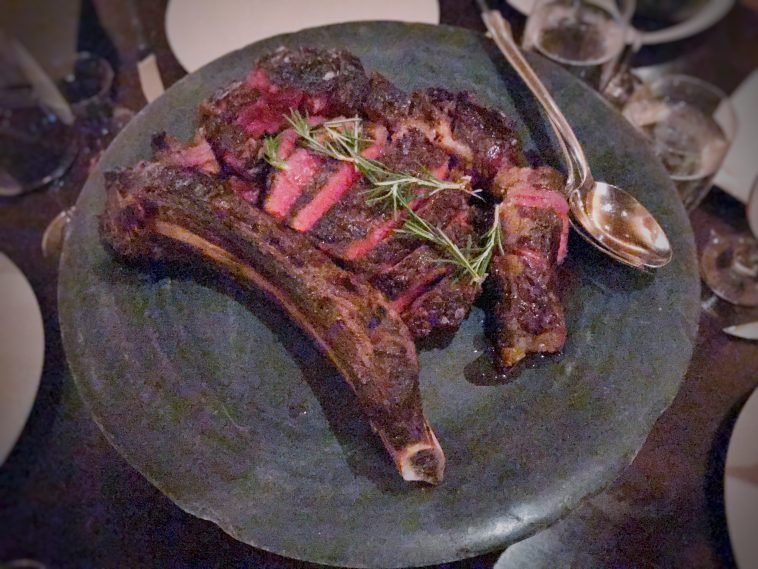
Okay, so I used to think I was pretty good at searing a steak. You know, hot pan, maybe a flip or two, cross my fingers. But then I stumbled upon José Andrés’ steak cooking tip, and honestly? My life changed. Like, in a dramatic, ‘why didn’t anyone tell me this sooner?!’ kind of way. This isn’t some fancy chef trick you can’t do at home, trust me. It’s super simple, and it practically guarantees that gorgeous, crispy crust we all dream about.
📋 In This Article
The ‘Secret’ (It’s Not Really a Secret, Just Genius)
So, what’s the big deal? Well, most of us were taught to put a steak in a hot pan, leave it for a few minutes, flip once, and repeat. José Andrés’ method? Flip, flip, flip! Constantly. We’re talking every 30-60 seconds. It sounds counter-intuitive, right? Like, won’t it just cool down? But here’s the thing: by flipping often, you’re building a crust layer by layer, preventing one side from getting scorched while the other struggles. It keeps the temperature more even, cooks the steak beautifully, and gives you that deep, mahogany sear all over. I’ve been using this for about a year now, and my steaks have never, ever been better. Seriously, my husband thinks I’ve become a Michelin-star chef overnight. Prep time for this whole thing is maybe 15 minutes, cook time 8-12 minutes, and then a crucial 10-minute rest. So, we’re looking at about 35-40 minutes total for a steak dinner for two, costing around $25-35 if you snag a good ribeye at Costco or your local supermarket like Kroger or Tesco.
Related Reading
Prep Your Steak Like *I* Prep My Steak (Crucial Steps!)
First things first: pat that steak DRY. And I mean bone dry. Use paper towels like there’s no tomorrow. Moisture is the enemy of sear, you know this! Then, season generously. I use Diamond Crystal kosher salt and fresh black pepper. Don’t be shy. And please, please, please let it come to room temp for at least 30 minutes before cooking. A cold steak hitting a hot pan is a recipe for uneven cooking.
The Gear You *Actually* Need for Steak Success
You don’t need a crazy expensive setup for this, but a few things make a huge difference. A heavy-bottomed pan is non-negotiable. Cast iron is king here, but a good stainless steel pan works too. A Lodge 12-inch cast iron skillet is my go-to, and you can grab one for about $30-40 at Walmart or Amazon. It holds heat like a champ. Then, you need an oil with a high smoke point. Forget olive oil for this, okay? That stuff will smoke like crazy and taste bitter. I use grapeseed oil or avocado oil, often the Kirkland brand from Costco because it’s super affordable. You’ll also want some good tongs – the kind that actually grip, not just slide around. And maybe a splatter screen if you’re like me and hate cleaning up tiny oil droplets from every surface in your kitchen.
My Favorite Pan for Steak (and Why You Need One)
Look, I’ve tried a bunch of pans. Non-stick is great for eggs, but it just can’t get hot enough or retain heat like cast iron. My Lodge skillet has been with me for years, and it just gets better with age. It develops this incredible non-stick surface over time, and it gives the most beautiful, even sear. Seriously, if you don’t have one, it’s a solid investment for any home cook.
The Flipping Frenzy: How to Get That Perfect Crust
Alright, here’s where the magic happens. Get your pan screaming hot over medium-high heat. You want to see wisps of smoke, but not a full-on fire alarm situation. Add just enough high-smoke-point oil to coat the bottom, maybe 1-2 tablespoons. Once it’s shimmering, gently lay your steak in. Now, the fun part: start flipping! Every 30-60 seconds, turn that steak over. Seriously. You’ll see the crust start to develop slowly, evenly, all around. Don’t press down on it with your spatula; that just squeezes out the juices. Let the pan do the work. For a 1.5-inch thick ribeye, I usually cook it for 8-12 minutes total, depending on how rare I’m feeling that day. For medium-rare, I pull it around 125-130°F (52-54°C) because it’ll keep cooking a bit while resting.
Don’t Forget the Butter Bath! (My Favorite Part)
About halfway through, or when you’ve got a decent crust going, throw in a tablespoon or two of unsalted butter, a couple of smashed garlic cloves, and a sprig of fresh rosemary or thyme. Tilt the pan and spoon that delicious, aromatic butter over the steak continuously. This adds incredible flavor and helps with the browning. It’s an extra step, but oh my god, it’s worth it.
The Unskippable Step: Resting Your Steak
This is crucial, folks. CRUCIAL. As soon as your steak hits your desired internal temperature (I use a cheap instant-read thermometer I got at Trader Joe’s for like $15), take it out of the pan and put it on a cutting board or a plate. Tent it loosely with foil. Do NOT cut into it immediately. All those amazing juices that have gathered in the center of the steak need time to redistribute throughout the meat. If you slice it too soon, all that goodness will just run out onto your board, and your steak will be dry. I let it rest for at least 10 minutes, sometimes 15 if it’s a really thick cut. This step is annoying because you’re hungry, I get it, but it’s totally worth the wait.
How to Tell When Your Steak is Perfect (No Fancy Gadgets Needed… Mostly)
Okay, an instant-read thermometer is your best friend here, honestly. But if you’re old school, use the ‘touch test.’ Raw meat is squishy. Rare is soft like the fleshy part of your palm below your thumb. Medium-rare is a bit firmer, like touching your thumb to your index finger. Medium is thumb to middle finger. It’s not foolproof, but it works in a pinch!
⭐ Pro Tips
- Always use Diamond Crystal kosher salt, not table salt. The crystals are bigger, so it seasons more evenly and it’s harder to over-salt.
- Buy bigger, thicker steaks (1.5-2 inches). They’re easier to get a great sear on without overcooking the inside. Sometimes Costco has better per-pound pricing on larger cuts.
- Don’t overcrowd the pan! If you’re cooking more than one steak, use two pans or cook them in batches. Crowding lowers the pan temp and you won’t get a good sear.
Frequently Asked Questions
What’s the best oil to sear steak with?
Definitely use an oil with a high smoke point like grapeseed oil, avocado oil, or refined sunflower oil. Olive oil will smoke too much and can make your kitchen smell like a grease fire, trust me.
Is José Andrés’ frequent flipping method actually better for steak?
Yes, absolutely! I’ve been doing it for a year now. It creates a more even crust, prevents burning, and helps the steak cook more uniformly without drying out the inside. It’s a game-changer.
How long should I rest my steak after cooking?
You should rest your steak for at least 10 minutes, ideally 15 minutes for thicker cuts. This allows the juices to redistribute, ensuring a tender, juicy steak. Don’t skip this, it’s crucial!
Final Thoughts
So there you have it, my friend. José Andrés’ steak cooking tip isn’t just for Michelin-star chefs; it’s for us home cooks who want seriously delicious food without all the fuss. Give this frequent-flipping method a try next time you’re making steak. I promise you’ll be amazed at the crust you get. Go forth and sear like a pro! And hey, let me know how it goes in the comments!



GIPHY App Key not set. Please check settings