 xplorely
Disclosure: This post may contain affiliate links. Purchases through these links support our site at no extra cost to you.
Okay, so real talk: I used to totally mess up steak. Like, every single time. It was either grey and sad, or burnt on the outside and raw in the middle. I just couldn’t get that gorgeous, crispy crust that makes your mouth water, you know? Then I stumbled upon this one simple thing, this chef José Andrés’ steak cooking tip, and honestly, my whole world shifted. It’s not some fancy technique, but it practically guarantees a perfect sear, and I’m never going back. Trust me on this one, you’ll be a steak hero.
📋 In This Article
The Secret Sauce (Spoiler: It’s Not Sauce, It’s Drying)
Look, the biggest mistake most of us make? Not getting the steak dry enough. And I mean DRY. Like, bone-dry. You can pat it down with paper towels until you think it’s dry, then pat it some more. For real, I use at least 4-5 paper towels per side for a good 1.5-inch thick ribeye. This is the absolute core of José Andrés’ (and most top chefs’) approach to a killer sear. Water on the surface means steam, and steam means no beautiful, dark, crispy crust. You’re basically steaming your steak instead of searing it. And nobody wants a steamed steak, right?
Related Reading
Why a Bone-Dry Steak is Your Best Friend
Water has to evaporate before any browning (the Maillard reaction!) can even start. If your steak is wet, all that energy from your hot pan goes into boiling off the water first. That takes time, cools down your pan, and makes the surface mushy. So, grab those paper towels, pat it down like your life depends on it. Honestly, sometimes I even salt it and leave it uncovered in the fridge for a few hours – even overnight – for maximum dryness. It’s annoying but so, so worth it.
Crank Up the Heat (Seriously, CRANK IT)
Once your steak is dry, like the Sahara desert, it’s time for heat. And I’m talking screaming hot. This isn’t the time for medium heat, folks. You need high heat, and for that, you need the right pan. For me, it’s always my trusty Lodge 12-inch cast iron skillet. You can grab one at Walmart or online for like $30-40 USD, and it’ll last forever. Get that pan on the stove over high heat for at least 5-7 minutes. You want to see a wisp of smoke, a shimmer from the oil. I use a high-smoke-point oil like avocado oil or grapeseed oil — I usually get a big bottle of avocado oil from Costco for about $15-18 USD that lasts ages.
Picking the Right Pan and Getting It SCORCHING Hot
Cast iron holds heat like a champ, which is exactly what you need for an even, dark sear. Stainless steel can work, but it’s not quite the same. Don’t crowd the pan either! If you’re cooking more than one steak, use two pans or cook them in batches. Overcrowding drops the pan temperature way too fast, and you’re back to steaming. Aim for that oil to just start smoking before the steak hits it.
The Sear Technique (It’s All About Timing)
Okay, so pan is hot, steak is dry. Now for the fun part. Gently lay your steak *away* from you into the hot oil. You should hear an immediate, aggressive sizzle. That’s the sound of success, my friend! For a 1.5-inch steak, I usually sear for about 2-3 minutes per side for medium-rare, but here’s where it gets interesting: I flip it every 30-60 seconds. Yeah, you heard me. Frequent flipping actually helps create a more even crust and cooks the steak more uniformly. It also prevents one side from getting too dark while the other is still pale. This isn’t the ‘one flip’ method; this is the ‘constantly developing crust’ method.
The Sear-Flip-Rest Dance for Steak Perfection
After a few flips, I might throw in a knob of butter (like Kerrygold, my go-to from Trader Joe’s) and some fresh rosemary or thyme. Tilt the pan and spoon that delicious, melted butter over the steak for the last minute or so. This basting adds incredible flavor and helps with that golden-brown finish. But remember, the main sear comes from the dry surface and high heat, not just the butter basting.
Resting (Don’t Skip This, Ever)
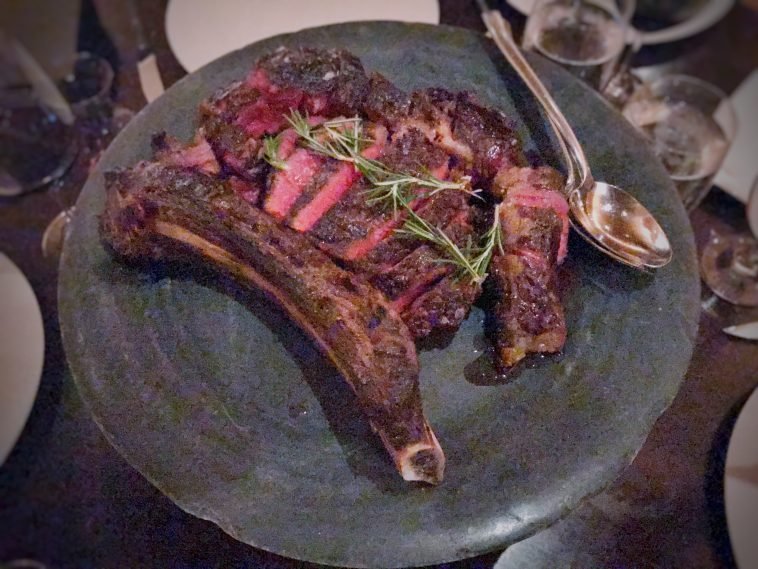
You’ve done the hard work, you’ve got this beautiful, crispy-on-the-outside, juicy-on-the-inside steak. Don’t you dare cut into it yet! This is another critical step that people skip way too often. Take that steak out of the pan and put it on a cutting board. Tent it loosely with foil. For a 1.5-inch thick steak, I rest it for at least 5-10 minutes. Honestly, 10 minutes is better. This isn’t just an optional step; it’s essential for a juicy steak. The juices need time to redistribute throughout the meat.
Patience, My Friend: The Critical Rest Period
Think about it: when you cook steak, all the juices rush to the center. If you cut it immediately, those juices just spill out onto your board, leaving you with a dry steak. Resting allows them to settle back into the muscle fibers, meaning every bite is succulent. While it’s resting, you can make a quick pan sauce or just clean up a bit. Then slice against the grain and enjoy your masterpiece!
⭐ Pro Tips
- Salt your steak generously with Diamond Crystal kosher salt at least 45 minutes before cooking, or right before. I use about 1 teaspoon per pound for a good crust.
- Invest in an instant-read thermometer. It’s truly the only way to perfectly cook steak to your desired doneness. For medium-rare, pull it off the heat around 125-130°F (52-54°C) because it’ll keep cooking while it rests.
- Don’t splurge on super expensive cuts if you’re practicing. A good sirloin or even a thick-cut chuck eye steak from your local grocery store (like Kroger or Tesco) for $8-12 USD/lb can be amazing with this technique.
Frequently Asked Questions
What is José Andrés’ steak cooking tip for a perfect sear?
José Andrés’ core tip for a perfect sear focuses on two things: ensuring your steak is absolutely bone-dry before it hits the pan, and using a screaming hot pan with high-smoke-point oil.
Is cast iron really necessary for searing steak?
Yes, honestly, for the best sear, cast iron is non-negotiable. It retains heat incredibly well, giving you that consistent, high-temperature surface needed for a deep, even crust. Other pans just don’t perform the same.
How long should I rest my steak after searing?
You should rest your steak for at least 5-10 minutes after searing, especially for thicker cuts (1 inch or more). This allows the juices to redistribute throughout the meat, ensuring a much juicier steak.
Final Thoughts
So there you have it. That chef José Andrés’ steak cooking tip about getting it super dry and using blazing hot heat? It’s not rocket science, but it’s a game-changer. Stop steaming your steak and start searing it like a pro. This isn’t just for fancy dinners; you can do this any night of the week. Go grab a steak, try it out, and tell me I’m wrong. (Spoiler: I won’t be.)



GIPHY App Key not set. Please check settings