 xplorely
Disclosure: This post may contain affiliate links. Purchases through these links support our site at no extra cost to you.
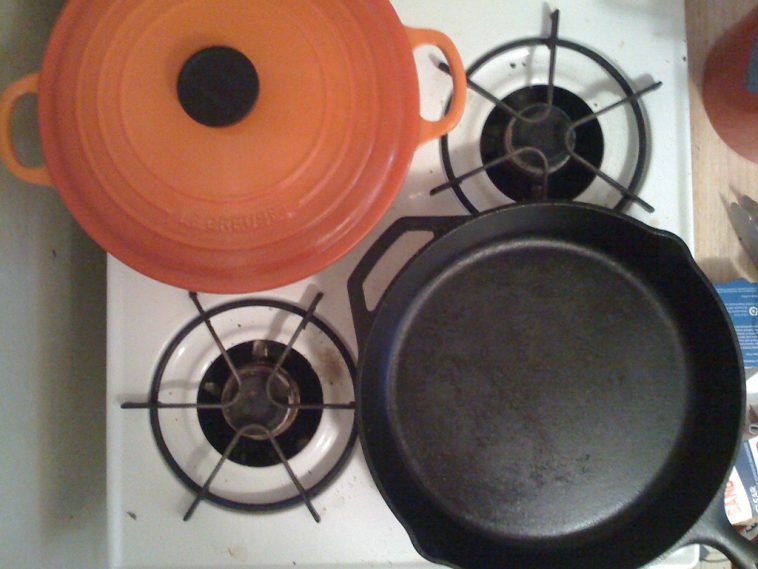
Look, I’ve been cooking in my tiny apartment kitchen since 2018, and if there’s one tool I literally cannot live without, it’s a heavy-duty Dutch oven. Every time I get a new follower asking about the best Dutch oven 2026 Le Creuset vs Lodge, I just laugh. We’re talking about a $400 status symbol versus a $50 workhorse from Walmart. I’ve owned both for years—I’ve burned stews in both, scrubbed them both at midnight, and honestly? They both work. But for different reasons. Let’s break this down.
📋 In This Article
The Case for the $50 Lodge Workhorse
You can walk into any Walmart or hop on Amazon and grab a 6-quart Lodge enameled Dutch oven for around $49.99 to $65 depending on the sale. It’s heavy, it gets the job done, and if I accidentally chip it because I’m being a clutz with my cast iron skillet, I don’t cry. I use mine for sourdough bread all the time. It handles the 450-degree oven heat like a champ. Honestly, the biggest downside is the weight—it’s a beast. Sometimes the enamel on the bottom stains after a few batches of chili, but that’s just character, right? It’s not going to win any beauty contests on your stove, but it’ll feed your family for the next twenty years if you don’t drop it on your toe.
Related Reading
Where Lodge Actually Wins
Value is the name of the game here. You’re getting 90% of the performance for about 15% of the price of the French stuff. If you’re just starting out or you’re a college student on a budget, don’t even look at the fancy brands. Buy the Lodge and spend the extra $350 on high-quality meat and seasonal veggies from Costco.
Why I Still Reach for My Le Creuset
Okay, so why did I spend $420 on a 5.5-quart Le Creuset signature round oven? It sounds ridiculous, I know. But there’s a difference in the finish. The enamel on my Le Creuset hasn’t stained in four years of heavy use. It’s significantly lighter than the Lodge, which matters when you’re pulling a heavy pot full of beef bourguignon out of the oven. The lid fits perfectly every single time, meaning less evaporation for my sauces. It’s the kind of thing you buy once, and your grandkids will probably fight over it. It’s smooth, it’s gorgeous, and it makes me feel like a pro even when I’m just making a basic chicken soup.
The Real Difference in Enamel
Le Creuset uses a proprietary process that makes their enamel way more resistant to thermal shock. I’ve had friends who cracked their cheaper pots by putting them under cold water while hot. My Le Creuset has survived my worst kitchen blunders. It’s an investment, but it’s one that genuinely holds up under daily, aggressive cooking.
Cooking Performance: Is There Actually a Difference?
If you’re doing a blind taste test on a pot of beans, you won’t know the difference. Both pots conduct heat beautifully because they’re essentially big chunks of iron. I use Diamond Crystal kosher salt in everything, and both pots handle the acidity of tomato sauces without any metallic taste. The main difference is the user experience. The handles on the Le Creuset are wider and easier to grip with oven mitts—which is a huge deal when you’re dealing with 15 pounds of hot pot. The Lodge handles are a bit stubby. It’s a small detail, but when you’re tired after a long day, that stuff adds up.
Heat Retention Truths
Both are excellent at holding heat. Whether you’re braising short ribs or deep frying doughnuts, they both keep the oil or liquid temperature super stable. Don’t let anyone tell you the food tastes better in the expensive one; that’s just marketing talk to make you feel bad about your budget.
Maintenance: Keeping Them Clean
Cleaning these things is annoying, I won’t lie. I never put either in the dishwasher, even though the manufacturers say you can. Don’t do it. The heat cycles ruin the finish over time. I use a little bit of Bar Keepers Friend on both if I get a stubborn brown spot on the bottom. It works like magic on the Le Creuset, bringing it back to a glossy white. On the Lodge, it helps, but the enamel is a bit more porous, so sometimes those stains are just part of the pot’s history. If you’re lazy, just soak them in warm soapy water for twenty minutes before scrubbing. It saves your wrists.
Avoiding the Scrubbing Struggle
Always use wooden or silicone utensils. If you use metal, you’re going to scratch the interior of your pot regardless of the brand. I’m a huge fan of the GIR silicone spatulas because they don’t melt and they scrape the sides perfectly. Save yourself the headache and just stop using your metal spoons.
⭐ Pro Tips
- Always preheat your Dutch oven empty in the oven for 30 minutes if you’re baking bread; it makes for a much better crust.
- If you’re on a budget, check the Le Creuset ‘Factory to Table’ sales online; you can often snag seconds for 40-50% off retail prices.
- Never, ever put a cold Dutch oven directly onto a ripping hot burner; the thermal shock can crack the enamel, and no warranty covers that.
Frequently Asked Questions
Is Le Creuset worth the money?
Yes, if you cook every single day and want a pot that will last 50 years. If you cook occasionally, the Lodge is a much better financial decision.
Does Lodge Dutch oven rust?
Only if you chip the enamel and expose the raw iron underneath. Keep the enamel intact, and it won’t rust. If it chips, just dab a little vegetable oil on the spot.
What is the best Dutch oven for beginners?
Start with the 6-quart Lodge. It’s cheap, durable, and you won’t be scared to experiment with new recipes because you didn’t drop a month’s worth of grocery money on it.
Final Thoughts
Look, at the end of the day, a pot is a tool. My Le Creuset is my favorite thing in my kitchen, but I still use my Lodge for camping and big batches of stew. If you have the cash and you love the look, go for the Le Creuset—you won’t regret it. If you’d rather spend that money on high-quality ingredients, buy the Lodge and never look back. Just start cooking something.


GIPHY App Key not set. Please check settings