 xplorely
Disclosure: This post may contain affiliate links. Purchases through these links support our site at no extra cost to you.
Look, I get it. It’s 6:30 PM on a Tuesday, you’ve been staring at a screen all day, and the thought of washing three different pans makes you want to cry. That’s exactly why I developed this noodles recipe one pot quick easy method. It’s honestly saved my life more times than I care to admit. I’m talking 15 minutes total, minimal cleanup, and it actually tastes good. Forget the takeout apps charging $25 for a bowl of sodium. You can do this at home for about $3. Let’s get to it.
📋 In This Article
Why This Method Actually Works
Most people think you need to boil pasta separately, but that’s a total lie invented by people who love doing dishes. By using a wider pan—I use my 12-inch All-Clad skillet—the noodles cook directly in the sauce. The starch from the pasta releases into the liquid, which creates this silky, glossy sauce that clings to every single strand. It’s like magic. I use Diamond Crystal kosher salt because it doesn’t make things taste metallic like some table salts do. You’ll need about 10 minutes of active time and 5 minutes of just waiting for the water to absorb. Seriously, it’s that fast. If you’ve got a hungry toddler or a partner who’s ‘hangry,’ this is your new best friend.
Related Reading
The Gear You Need
You don’t need fancy equipment. Just one deep skillet or a wide pot. If you use a thin, cheap pan, just watch the heat so the noodles don’t burn to the bottom. I’ve done this in a $20 Walmart pan plenty of times with zero issues. Just keep a pair of tongs handy to move the noodles around every few minutes.
Ingredients You Likely Already Have
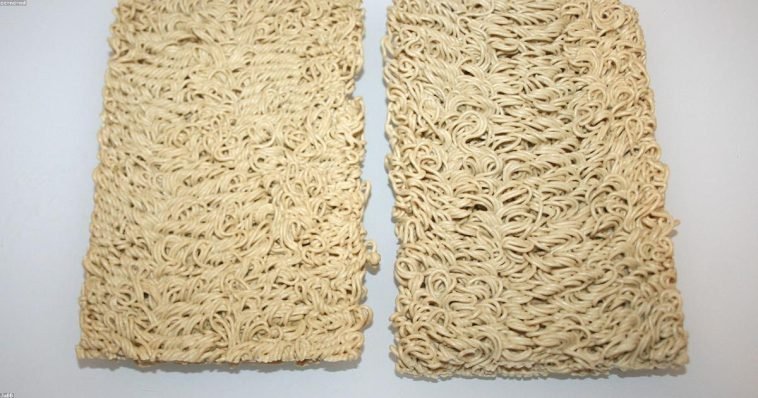
I usually grab my ramen or spaghetti noodles from Costco—the bulk packs are unbeatable. For the sauce, I keep it simple: soy sauce, a spoonful of chili crisp (the Fly By Jing stuff is my current obsession), and a splash of sesame oil. If you want protein, throw in some frozen edamame or rotisserie chicken from Trader Joe’s. It costs maybe $2.50 to $4 per serving depending on what you toss in. Don’t stress about exact measurements; if you want it spicier, dump more chili crisp in. I won’t judge you. Cooking should be fun, not a math test. Just keep the liquid-to-noodle ratio roughly 2:1 so you don’t end up with a dry, clumpy mess.
Fresh Add-ins
In June, I love throwing in fresh snap peas or baby bok choy. They cook in the residual heat of the noodles in about 60 seconds. Just toss them in at the very end when the water is almost gone. It adds a nice crunch that makes the whole bowl feel way more ‘complete’ for almost zero extra effort.
Step-by-Step for the Lazy Cook
Okay, so here is the play-by-play. Start by heating your oil in the pan over medium heat. Sauté some garlic and ginger for 30 seconds until your kitchen smells amazing. Pour in your liquids—broth, soy sauce, and a splash of mirin. Once that’s bubbling, shove your noodles in. If they don’t fit, just break them in half. I know, I know, some people think that’s a crime against pasta, but we’re going for ‘quick and easy,’ not ‘authentic Italian.’ Keep stirring occasionally so nothing sticks. Once the liquid is mostly absorbed, turn off the heat and toss in your greens. Done. That’s it. You’re literally done.
Handling the Liquid
If you look in the pan and it’s still too watery after 10 minutes, just crank the heat to high for 30 seconds. The water will evaporate fast. Don’t walk away though, or you’ll burn it. Stay right there and keep tossing the noodles until the sauce looks nice and thick.
Common Pitfalls (And How to Fix Them)
The biggest mistake I see is people adding too much water. If you drown the noodles, you’ll end up with soup instead of a glossy, coated noodle dish. Start with less liquid than you think you need—you can always add a splash more if the noodles are still hard. Also, don’t forget to season at the end. Sometimes the soy sauce isn’t enough, and a little extra pinch of salt or a squeeze of lime juice will brighten the whole thing up. I learned this the hard way after a few bland bowls back in 2024. Now, I always taste-test before serving. It’s the difference between ‘this is fine’ and ‘I’m making this every week.’
The Salt Trap
Be careful with store-bought broth. If it’s already salty, go easy on the soy sauce. I usually buy the low-sodium chicken broth from Trader Joe’s just so I can control the salt level myself. It’s a small detail, but it prevents the dish from being inedible.
⭐ Pro Tips
- Keep a jar of Lao Gan Ma or Fly By Jing chili crisp in your pantry; it adds instant depth for $8-$12.
- Buy a $10 rotisserie chicken from Costco, shred it, and freeze portions to toss into noodles on busy nights.
- Don’t overcrowd the pan; if the noodles are piled too high, they won’t cook evenly and you’ll get ‘crunchy bits’ in the middle.
Frequently Asked Questions
Can I use gluten-free noodles for this one pot recipe?
Yes, but be careful. Brown rice noodles get mushy fast. Use a sturdy corn-based pasta or chickpea pasta, and reduce the cook time by about two minutes so they hold their texture.
Is one pot noodle cooking actually worth it?
Yes, absolutely. It cuts cleanup time by 75% and the noodles absorb way more flavor since they aren’t being rinsed in a colander. It’s the ultimate hack for busy weeknights.
What is the best noodle type for one pot meals?
I recommend thin egg noodles or standard spaghetti. They have the right starch content to make that creamy sauce without turning into a giant clump of glue in the pan.
Final Thoughts
Look, stop overcomplicating dinner. You don’t need a recipe card or a degree to make something that tastes better than the stuff you get delivered. Grab a pan, throw in whatever veggies are in your fridge, and just cook it all together. It’s messy, it’s fast, and it’s delicious. Let me know in the comments what you throw in yours—I’m always looking for new ideas to spice up my Tuesday night routine.

GIPHY App Key not set. Please check settings